Age and Fertility: When Should You Consider IVF?
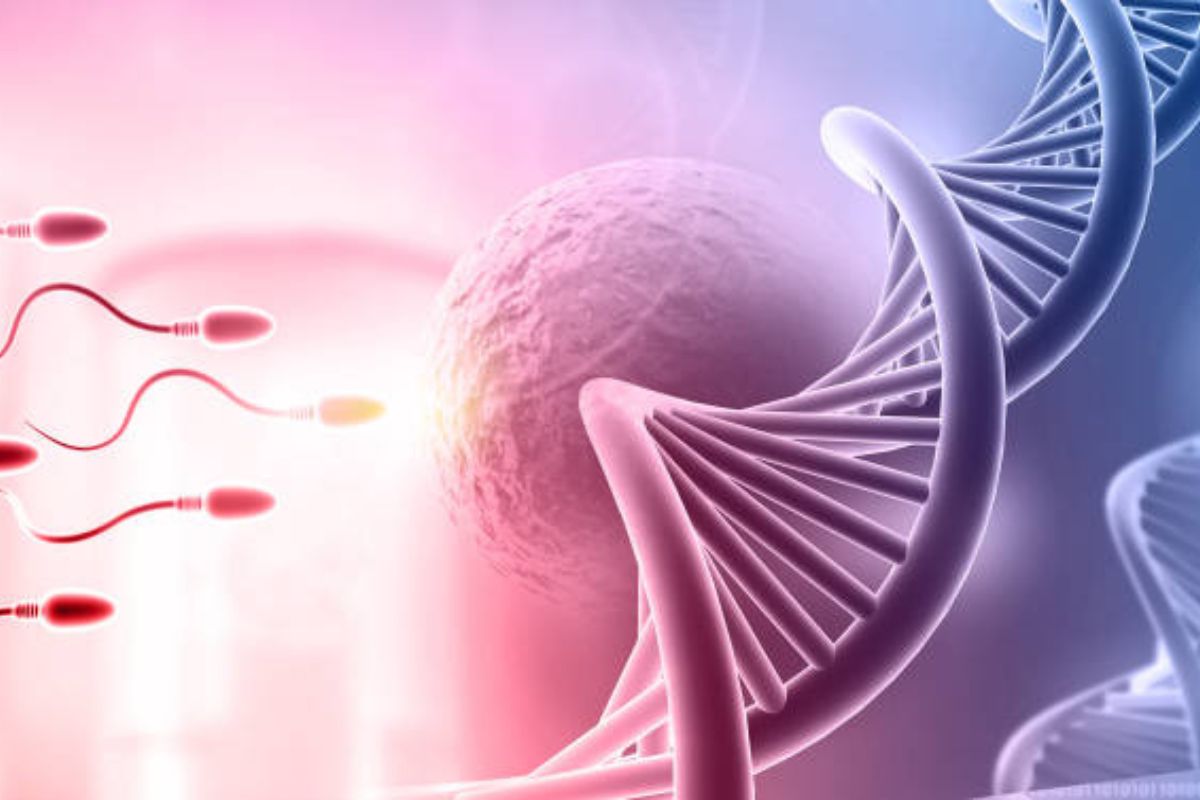
Fertility is closely linked to age, especially for women. While many couples can conceive naturally, some may face difficulties due to age-related fertility decline or other health conditions. In such cases, assisted reproductive treatments such as In Vitro Fertilization (IVF) can offer hope to couples who want to start or expand their families. Understanding how age affects fertility and knowing when to consider IVF can help couples make informed decisions about their reproductive health.
Modern fertility treatments have made it possible for many couples to achieve pregnancy even after facing challenges. Consulting a fertility specialist at a trusted IVF Centre in Kenya can help identify the right time and the most suitable treatment options for individuals or couples struggling with infertility.
Understanding Fertility
Fertility refers to the natural ability of a person or couple to conceive and have a child. It involves a complex interaction between the reproductive systems of both partners, hormonal balance, overall health, and timing of ovulation. In women, fertility depends largely on the release of healthy eggs from the ovaries, proper functioning of the fallopian tubes, and a healthy uterus where a fertilized egg can implant and grow. In men, fertility depends on producing healthy sperm with good count, movement, and shape.
For successful conception, several steps must occur correctly. The woman must ovulate regularly, the sperm must travel through the reproductive tract to fertilize the egg, and the fertilized embryo must implant in the uterus. Factors such as age, lifestyle, hormonal health, and underlying medical conditions can affect these processes. Understanding fertility helps couples recognize when to try naturally and when to seek medical guidance if pregnancy does not occur after a certain period.
How Age Affects Female Fertility
Female fertility begins to decline gradually after the age of 30 and more significantly after 35. This decline happens because of both reduced egg quantity and decreased egg quality.
Fertility in the 20s
The 20s are generally considered the most fertile years for women. During this time:
-
Egg quality is typically high
-
Ovulation occurs regularly
-
The chances of natural conception are higher
Most healthy couples in their 20s conceive within a year of trying.
Fertility in the Early 30s
Fertility remains relatively good in the early 30s, but some decline begins.
Women may still conceive naturally without difficulty, but the number of eggs slowly starts decreasing. For couples who delay pregnancy due to career or personal reasons, this stage may still offer a good chance for natural conception.
Fertility After 35
After age 35, fertility decline becomes more noticeable.
Changes may include:
-
Lower ovarian reserve
-
Decreased egg quality
-
Higher risk of miscarriage
-
Increased risk of chromosomal abnormalities
Because of these factors, doctors often recommend seeking medical advice if pregnancy does not occur after six months of trying.
Fertility After 40
After the age of 40, natural conception becomes more difficult for many women.
Common challenges include:
-
Significantly reduced egg count
-
Higher chances of pregnancy complications
-
Increased risk of genetic abnormalities
At this stage, fertility treatments such as IVF may become one of the most effective options for achieving pregnancy.
How Age Affects Male Fertility
While men do not experience fertility decline as rapidly as women, age can still affect reproductive health. Some age-related changes in men include:
-
Reduced sperm count
-
Decreased sperm motility
-
Increased DNA fragmentation in sperm
These changes can affect the ability to fertilize an egg and may increase the risk of miscarriage or certain genetic conditions. In couples where male fertility issues are present, fertility treatments and assisted reproductive techniques may help improve the chances of pregnancy.
What Is IVF?
In Vitro Fertilization (IVF) is one of the most advanced and effective fertility treatments available today. In IVF, eggs are retrieved from the woman’s ovaries and fertilized with sperm in a laboratory. The resulting embryo is then transferred into the uterus to achieve pregnancy.
IVF is commonly recommended for couples facing challenges such as:
-
Blocked fallopian tubes
-
Severe male infertility
-
Ovulation disorders
-
Endometriosis
-
Unexplained infertility
-
Age-related fertility decline
Many couples seek guidance from fertility experts at centers such as Fertility Point when considering IVF treatment.
Signs That You Should Consider IVF
Not every couple needs IVF immediately. However, certain situations may indicate that IVF could be the best option.
1. Difficulty Conceiving After Trying Naturally
Doctors generally recommend:
-
Trying for 12 months if the woman is under 35
-
Trying for 6 months if the woman is over 35
If pregnancy does not occur within this time, a fertility evaluation may be recommended.
2. Blocked or Damaged Fallopian Tubes
The fallopian tubes play an important role in natural conception because fertilization normally occurs there.
If the tubes are blocked or damaged, the sperm and egg cannot meet naturally. IVF bypasses the fallopian tubes and allows fertilization to occur in the laboratory.
3. Low Ovarian Reserve
Some women have a lower number of eggs than expected for their age. This condition is known as low ovarian reserve.
Fertility tests such as AMH (Anti-Müllerian Hormone) and ultrasound can help assess ovarian reserve. In these cases, doctors may recommend IVF sooner rather than later.
4. Severe Male Factor Infertility
When sperm count, motility, or shape are significantly affected, natural conception may become difficult.
Advanced IVF techniques such as ICSI (Intracytoplasmic Sperm Injection) can help fertilize the egg even with limited sperm.
5. Endometriosis
Endometriosis is a condition where tissue similar to the uterine lining grows outside the uterus.
This condition can affect fertility by causing inflammation, scarring, and hormonal changes. IVF is often recommended for moderate to severe endometriosis.
6. Unexplained Infertility
In some couples, all fertility tests appear normal, but pregnancy still does not occur.
This is known as unexplained infertility. IVF can increase the chances of conception in such cases.
When Age Makes IVF a Better Option
Age is one of the most important factors doctors consider when recommending IVF.
Women Under 35
Doctors may suggest trying less invasive treatments first, such as:
-
Ovulation induction
-
Timed intercourse
-
Intrauterine insemination (IUI)
If these methods are unsuccessful, IVF may be recommended.
Women Between 35 and 40
Because fertility declines more rapidly in this age group, doctors may recommend IVF earlier to improve the chances of pregnancy.
Women Over 40
For women over 40, IVF may be recommended sooner because:
-
Egg quality decreases significantly
-
Natural conception chances are lower
-
Time becomes an important factor
In some cases, doctors may also discuss options such as donor eggs.
Lifestyle Factors That Affect Fertility
Age is not the only factor that affects fertility. Several lifestyle factors can also influence reproductive health.
Smoking
Smoking can reduce egg quality and sperm health. It may also increase the risk of miscarriage.
Obesity
Being overweight or underweight can affect hormone balance and ovulation.
Stress
High levels of stress can disrupt hormonal balance and may affect fertility.
Poor Diet
A balanced diet rich in vitamins, minerals, and antioxidants supports reproductive health.
Benefits of IVF for Older Couples
IVF offers several advantages for couples experiencing age-related fertility challenges.
Higher Chances of Pregnancy
IVF increases the chances of fertilization because the process occurs in a controlled laboratory environment.
Genetic Screening
Advanced techniques such as preimplantation genetic testing (PGT) can help identify healthy embryos. This reduces the risk of genetic abnormalities.
Better Control of the Fertility Process
IVF allows doctors to monitor:
-
Egg development
-
Fertilization
-
Embryo growth
This improves the chances of a successful pregnancy.
Emotional Considerations in Fertility Treatment
Fertility challenges can be emotionally stressful for many couples.
Feelings such as:
-
Frustration
-
Sadness
-
Uncertainty
Seeking emotional support from partners, family members, or counseling professionals can help couples cope with the emotional aspects of infertility treatment.
Conclusion
Age plays a major role in fertility, particularly for women. While many couples conceive naturally, others may face challenges due to age-related changes in reproductive health. Understanding how fertility changes with age and recognizing the signs that indicate the need for medical assistance can help couples make timely decisions.
IVF has helped millions of couples worldwide achieve their dream of parenthood. With advances in reproductive medicine, many fertility challenges can now be treated effectively. Consulting experienced fertility specialists and seeking guidance from a trusted IVF Centre in Kenya can provide couples with the right support and treatment options.
FAQ's
At what age should you consider IVF?
There is no fixed age for IVF, but many doctors recommend considering fertility treatment if pregnancy does not occur after one year of trying for women under 35 or after six months for women over 35.
Is IVF successful after the age of 40?
Yes, IVF can still be successful after 40, although success rates may be lower compared to younger women. In some cases, doctors may suggest additional options such as donor eggs.
Can IVF help with age-related infertility?
Yes, IVF is commonly used to treat age-related infertility because it helps overcome issues related to egg quality, fertilization, and embryo development.
Can lifestyle changes improve fertility before IVF?
Yes, maintaining a healthy lifestyle, managing stress, avoiding smoking, and eating a balanced diet may help improve fertility and increase the chances of successful treatment.