Emotional Impact of Infertility: How to Cope
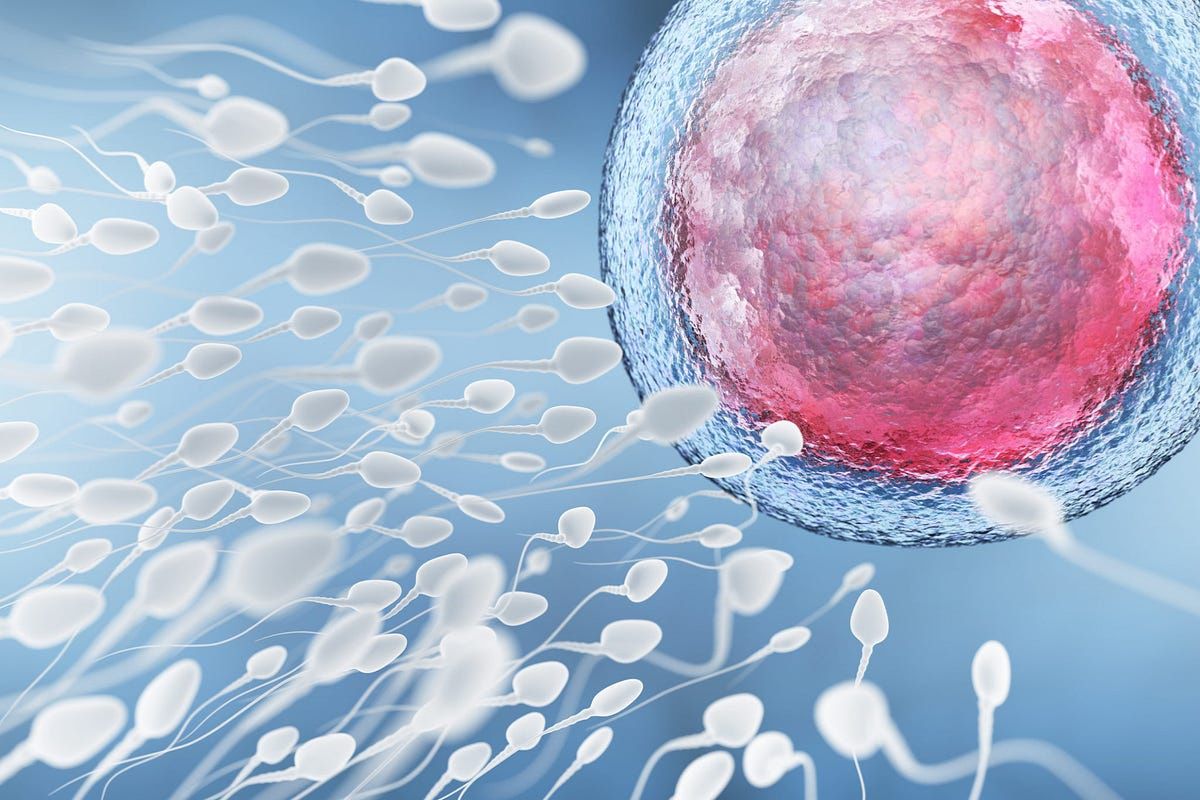
Infertility is not just a medical condition—it is an emotional journey that can deeply affect a person’s mental, physical, and social well-being. For many individuals and couples, the inability to conceive can bring feelings of sadness, frustration, confusion, and even isolation. The emotional impact of infertility often goes unnoticed, yet it plays a major role in how people experience and cope with this challenge.
In today’s world, where family-building is often seen as a natural progression of life, facing fertility issues can feel overwhelming. Many people silently struggle with stress, anxiety, and self-doubt while trying to understand what is happening. Whether you are just beginning your fertility journey or have been trying for years, understanding the emotional side of infertility and learning how to cope with it is essential.
Understanding the Emotional Impact of Infertility
Infertility can trigger a wide range of emotions, and these feelings may change over time. It is important to recognize that these emotional responses are normal and valid.
Common Emotional Reactions
- Sadness and Grief
Many people feel a deep sense of loss when they are unable to conceive. This grief can be similar to mourning something that hasn’t yet happened but was deeply desired. - Anxiety and Stress
The uncertainty of treatments, waiting periods, and outcomes can create ongoing stress. Questions like “Will I ever become a parent?” can lead to constant worry. - Anger and Frustration
It can feel unfair when others conceive easily. This can lead to feelings of anger toward oneself, one’s partner, or even the situation. - Guilt and Self-Blame
Some individuals blame themselves, thinking they are the cause of the problem—even when that is not true. - Isolation and Loneliness
Infertility can feel like a lonely journey, especially when friends and family may not fully understand the situation.
Psychological Effects of Infertility
The emotional strain of infertility can also affect mental health. Over time, this may lead to more serious psychological concerns if not addressed.
Key Psychological Challenges
- Depression
Repeated disappointment can lead to feelings of hopelessness and low mood. - Anxiety Disorders
Constant worry about treatments, finances, and outcomes can increase anxiety levels. - Low Self-Esteem
Some people feel “less complete” or question their identity. - Relationship Stress
Couples may experience communication issues or emotional distance due to the pressure.
Why Emotional Support Matters
Seeking emotional support is just as important as medical treatment. Many individuals visiting a Fertility Clinic in Kenya or other locations often focus only on physical treatment, but emotional care is equally crucial for overall well-being.
Support helps in:
- Reducing stress and anxiety
- Improving coping ability
- Strengthening relationships
- Increasing emotional resilience during treatment
Healthy Ways to Cope with Infertility
Coping with infertility is a personal journey, and what works for one person may not work for another. However, several proven strategies can help manage emotional stress.
1. Accept and Process Your Emotions
Infertility can bring a mix of emotions such as sadness, anger, frustration, and confusion. Instead of ignoring these feelings, it is important to acknowledge and accept them. Allow yourself to feel and process your emotions without guilt, as this is a natural response.
2. Communicate Openly with Your Partner
Infertility can put pressure on relationships, especially when partners cope differently. Open and honest communication is key to maintaining a strong bond. Share your thoughts, fears, and expectations without judgment. Supporting one another emotionally and making decisions together can strengthen your relationship and help you face challenges as a team.
3. Seek Professional Support
Talking to a counselor or therapist who specializes in fertility-related issues can provide valuable emotional support. Professional guidance helps you develop healthy coping strategies, manage stress, and deal with anxiety or depression. Counseling can also improve communication between partners and provide a safe space to express your concerns.
4. Practice Stress-Relief Techniques
Managing stress is essential during the infertility journey. Activities like meditation, yoga, deep breathing exercises, or even regular walks can help calm the mind and improve emotional well-being. These techniques not only reduce anxiety but also help you stay mentally balanced during treatment and waiting periods.
5. Focus on Self-Care
Taking care of yourself is crucial when dealing with infertility. Engage in activities that make you feel relaxed and happy, such as reading, traveling, or spending time with loved ones. Maintaining a healthy lifestyle with proper nutrition, exercise, and sleep can also improve your overall well-being and help you cope better emotionally.
Role of Lifestyle in Emotional Well-being
A healthy lifestyle can improve both emotional and physical health during infertility treatment.
Important Lifestyle Changes
- Maintain a balanced diet
- Get regular exercise
- Ensure adequate sleep
- Limit alcohol and caffeine
- Avoid smoking
These habits not only support fertility but also help stabilize mood and reduce stress.
Dealing with Social Pressure
In many cultures, including India and Kenya, societal expectations around having children can add extra pressure.
How to Handle It
- Set boundaries with others
- Share only what you are comfortable with
- Avoid negative or insensitive conversations
- Focus on your journey, not others’ expectations
Long-Term Emotional Healing
Even after treatment—whether successful or not—the emotional journey continues. Healing takes time, and it is important to be patient with yourself.
Ways to Support Long-Term Healing
- Continue therapy if needed
- Stay connected with supportive people
- Explore alternative paths to parenthood if desired
- Focus on personal growth and goals
Final Thoughts
Infertility can be an emotionally challenging journey, but it is important to remember that you are not alone in this experience. With the right support system, healthy coping strategies, and emotional awareness, it becomes easier to manage the ups and downs that come along the way. Seeking guidance from trusted experts can provide not only medical assistance but also the reassurance and care needed during this phase.
While the path may feel uncertain at times, focusing on your emotional well-being can make a significant difference in how you navigate this journey. Taking small steps toward self-care, maintaining open communication, and staying hopeful can help build resilience. With the right approach and support from Fertility Point, individuals and couples can move forward with strength, clarity, and renewed confidence.
FAQ's
Is it normal to feel depressed during infertility?
Yes, it is completely normal. Infertility can cause emotional distress, and many people experience sadness or depression during this time.
How can I reduce stress during fertility treatment?
You can manage stress through relaxation techniques like meditation, exercise, counseling, and maintaining a healthy lifestyle.
Can infertility affect my relationship?
Yes, it can create emotional strain. However, open communication and mutual support can help strengthen your relationship.
Does emotional stress affect fertility?
High stress levels can impact overall health and may indirectly affect fertility, making stress management important.