How Long Can a Woman Freeze Her Eggs?
Many women today are choosing to delay pregnancy for personal, medical, or professional reasons. This has made egg freezing an increasingly popular fertility option. But one of the most common questions women ask is: How Long Can a Woman Freeze Her Eggs?
The simple answer is that frozen eggs can remain stored for many years — even decades — without losing quality. However, there are important medical, legal, and biological factors that influence how long eggs can realistically and safely remain frozen.
In this detailed guide, we will explain how egg freezing works, how long eggs can stay frozen, what affects their success rate, and when you should consider using them.
Understanding Egg Freezing
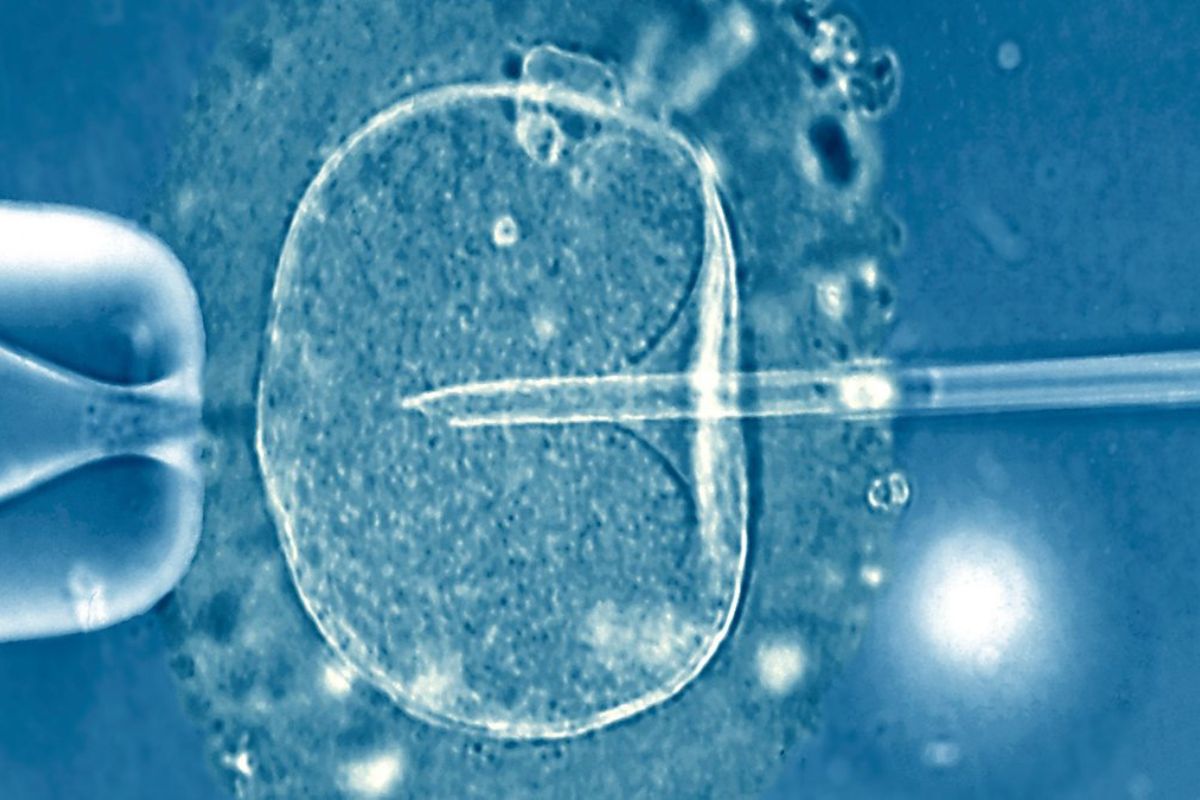
Egg freezing, also known as oocyte cryopreservation, is a medical procedure where a woman’s eggs are collected from her ovaries, frozen at very low temperatures, and stored for future use.
The purpose is to preserve fertility so that the eggs can be used later when a woman is ready to become pregnant.
Women may choose egg freezing for several reasons:
- Delaying motherhood for career or personal goals
- Not finding the right partner yet
- Medical treatments like chemotherapy
- Low ovarian reserve
- Family history of early menopause
Today, advanced freezing technology called vitrification allows eggs to be frozen rapidly, preventing ice crystal formation and protecting egg quality.
In places like Egg Freezing in Nairobi, many women are now considering this option as awareness about fertility preservation increases.
How Long Can a Woman Freeze Her Eggs?
Now, let’s answer the main question clearly.
Technically, Eggs Can Be Frozen Indefinitely
From a scientific perspective, eggs stored at –196°C in liquid nitrogen stop all biological activity. This means:
- Eggs do not age while frozen
- They do not deteriorate over time
- There is no “expiry date” biologically
Studies have shown healthy pregnancies from eggs frozen for 10–15 years or more. So, biologically speaking, frozen eggs can last for decades.
What Does Research Say?
Research indicates:
- Eggs frozen for 5 years have similar success rates as eggs frozen for 10+ years.
- No significant increase in birth defects has been found due to long-term freezing.
- The quality of the egg depends more on the woman’s age at freezing than on storage duration.
This means if you freeze eggs at age 30 and use them at age 40, the eggs still have the biological quality of a 30-year-old egg.
Legal and Storage Limits
While eggs can technically stay frozen indefinitely, clinics may have storage limits due to:
- Country regulations
- Clinic policies
- Storage contract agreements
Some countries allow storage for 10 years, others extend up to 20 years or more. You must renew storage agreements periodically and pay annual storage fees to maintain preservation.
At trusted fertility centers like Fertility Point, patients are clearly informed about storage duration policies and renewal processes.
Does Long-Term Freezing Reduce Success Rates?
This is a very common concern. The answer is: No, long-term freezing does not significantly reduce success rates.
What truly affects success rates:
- Age at the time of freezing
- Number of eggs frozen
- Overall health of the woman
- Quality of sperm during fertilization
- Laboratory expertise
Storage time alone does not reduce egg quality because freezing stops biological aging completely.
Why Age at Freezing Matters More
Age is the most important factor in egg freezing success. Here’s why:
As women age:
- Egg quantity decreases
- Egg quality decreases
- Chromosomal abnormalities increase
- Freezing eggs earlier preserves younger, healthier eggs.
- Ideal Age for Egg Freezing
Most fertility specialists recommend freezing eggs between:
- 25 to 35 years old
After 38–40 years, egg quality significantly declines. So instead of focusing only on How Long Can a Woman Freeze Her Eggs, it’s more important to ask: “When should I freeze my eggs?”
How Many Years Do Women Typically Store Eggs?
Women usually store eggs for:
- 3–5 years (career or relationship delay)
- 5–10 years
- 10+ years (medical reasons or long-term delay)
There is no strict upper time limit medically. Many women use eggs after 8–12 years of storage with good outcomes.
What Happens When You Want to Use Frozen Eggs?
When you decide to use frozen eggs:
- Eggs are thawed carefully.
- They are fertilized with sperm using IVF (In Vitro Fertilization).
- Resulting embryos are monitored.
- A healthy embryo is transferred to the uterus.
Thaw survival rates with modern vitrification techniques are around:
- 85% to 95%
This means most eggs survive the thawing process.
Are There Risks of Freezing Eggs for Too Long?
There is no evidence that long storage harms eggs. However, pregnancy success depends on:
- Your age at embryo transfer
- Your uterine health
- Hormonal balance
- Lifestyle factors
For example:
If a woman freezes eggs at 30 and uses them at 45, the eggs are still 30-year-old eggs — but pregnancy risks at 45 may be higher due to maternal age.
Medical Reasons for Long-Term Egg Freezing
Some women freeze eggs due to medical conditions such as:
- Cancer treatment
- Endometriosis
- Autoimmune disorders
- Early menopause risk
- Ovarian surgery
For these women, eggs may stay frozen for many years until recovery. Clinics offering Egg Freezing in Nairobi also provide fertility preservation for cancer patients before chemotherapy.
Cost and Storage Considerations
Egg freezing includes:
- Initial consultation
- Hormone injections
- Egg retrieval procedure
- Freezing process
- Annual storage fees
Annual storage fees vary by clinic. Women should plan financially for long-term storage if delaying pregnancy for many years.
Common Myths About Egg Freezing Duration
Myth 1: Eggs Expire After 5 Years
Fact: There is no biological expiry date.
Myth 2: Long Storage Causes Genetic Problems'
Fact: Studies show no increased birth defects from long-term freezing.
Myth 3: You Can Freeze Eggs at Any Age
Fact: Success drops significantly after 38–40 years.
Factors That Influence Future Pregnancy Success
- Age at egg freezing
- Number of eggs retrieved
- Ovarian reserve
- Sperm quality
- Lab expertise
- Uterine health
Freezing 15–20 eggs before age 35 gives better chances compared to freezing 5 eggs at 40.
Who Should Consider Egg Freezing?
Egg freezing may be ideal for:
- Women focusing on career
- Women without a partner
- Women undergoing cancer treatment
- Women with low ovarian reserve
- Women with a family history of early menopause
It is becoming more common globally and is available at modern fertility centers.
Final Thoughts
So, How Long Can a Woman Freeze Her Eggs?? Medically, eggs can remain frozen for many years — even decades — without losing quality. The freezing process pauses biological aging completely. The most important factor is not how long eggs stay frozen, but how old the woman was when the eggs were frozen.
Egg freezing offers freedom and flexibility, but it should be done at the right time for the best results. If you are considering fertility preservation, consulting an experienced fertility clinic like Fertility Point can help you understand your ovarian reserve, success chances, and storage options clearly.
FAQ's
How Long Can a Woman Freeze Her Eggs safely?
Eggs can be safely frozen for many years, even decades, without losing quality. There is no biological expiry date.
Does egg quality decrease while frozen?
No. Once frozen, egg aging stops completely. Quality depends on age at freezing, not storage time.
What is the best age to freeze eggs?
The ideal age is between 25 and 35 years, when egg quality is higher.
Is egg freezing painful?
The process involves hormone injections and a minor egg retrieval procedure under sedation. Most women experience mild discomfort.