How Safe Are Fertility Treatments Like IVF and ICSI?
Fertility treatments like IVF and ICSI have transformed the lives of millions of couples struggling to conceive. Over the years, both treatments have become safer, more advanced, and more predictable. Still, many couples naturally wonder whether these procedures are safe for the mother and baby. In Kenya, centres like Fertility Point, a leading IVF Centre in Kenya, follow strict international standards to ensure complete safety throughout the treatment journey.
Understanding the Basics of IVF and ICSI
What Makes IVF a Safe Treatment?
IVF has been used for over 40 years and is supported by strong global research. It involves stimulating the ovaries, collecting eggs, fertilising them in the lab and transferring a healthy embryo back into the uterus. Each step is performed under controlled, monitored conditions. Clinics like Fertility Point use personalised treatment protocols to ensure maximum safety.
Key reasons IVF is safe:
(i) Performed under expert supervision
(ii) Short-term medications with predictable effects
(iii) Highly controlled laboratory environment
(iv) Continuous monitoring throughout the cycle
Why ICSI Is Considered Safe
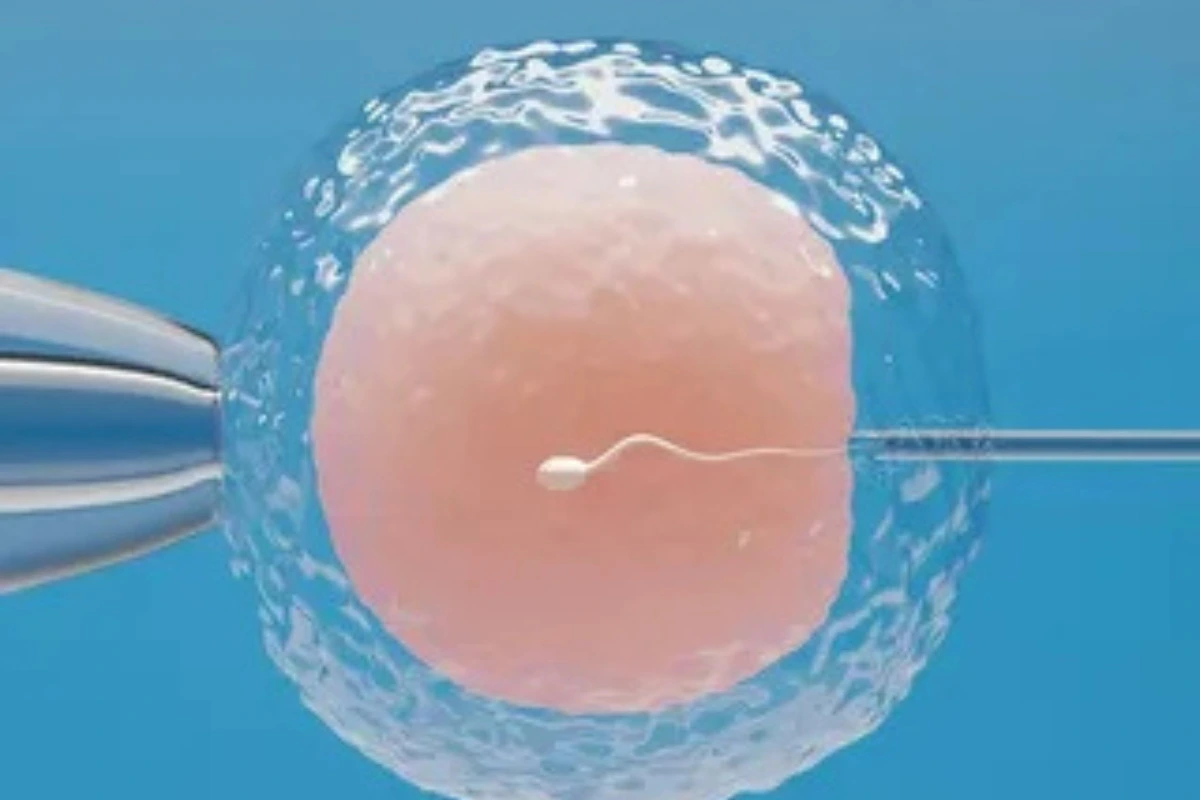
ICSI is commonly used when sperm quality or count is low. A single sperm is injected directly into an egg under a specialised microscope. Since ICSI is part of the IVF process, its overall safety profile remains the same. ICSI Treatment in Kenya has become widely trusted due to advanced lab technology and skilled embryologists.
Safety of Medications and Procedures
Are IVF Medications Safe?
Most IVF medications are similar to natural reproductive hormones. They are used for a short duration and are generally safe. Some women may feel mild bloating or mood changes, but these symptoms are temporary.
Common, mild side effects:
(i) Bloating or abdominal discomfort
(ii) Mood fluctuations
(iii) Mild headaches
(iv) Temporary cramping
Modern protocols also greatly reduce the risk of ovarian hyperstimulation syndrome (OHSS). Fertility Point closely monitors each patient to ensure safe and comfortable treatment.
How Safe Is Egg Retrieval?
Egg retrieval is a short, minimally invasive procedure done under light sedation. Most women recover within a few hours and return to routine activities the next day. Risks like infection or bleeding are extremely rare, especially when performed by experienced specialists.
Embryo transfer is even simpler and usually painless, making it one of the safest steps of the entire process.
Safety for Babies Born Through IVF and ICSI
Are IVF and ICSI Babies Healthy?
Extensive global research confirms that babies born through IVF or ICSI are just as healthy as naturally conceived babies. Child development, growth and long-term health outcomes are normal.
Studies show:
(i) Normal physical development
(ii) Normal cognitive and emotional growth
(iii) No major long-term health differences
(iv) Very low risk of abnormalities
Any slightly increased risks observed in specific studies are mostly linked to parental infertility, not the fertility procedure itself.
Long-Term Safety for Women Undergoing Treatment
Do IVF and ICSI Impact Long-Term Health?
Large research studies show that IVF does not increase the risk of breast, ovarian or uterine cancer. Women who undergo fertility treatment have long-term health outcomes similar to those who conceive naturally. Pregnancy-related risks for women above 35 are linked to age, not IVF.
Regular monitoring and personalised treatment plans at Fertility Point help ensure a safe fertility journey for every woman.
Importance of Lab Safety in IVF and ICSI
How Lab Conditions Affect Safety
Embryos grow in extremely delicate conditions and require stable temperature, humidity and a dust-free environment. Fertility Point maintains world-class laboratory standards, which play a crucial role in safety and success.
High-level lab safety includes:
(i) HEPA-filtered clean rooms
(ii) Temperature-controlled incubators
(iii) 24/7 embryo monitoring
(iv) Strict contamination prevention
A high-quality lab significantly reduces risks and increases the chances of a healthy pregnancy.
Emotional and Psychological Safety
Why Emotional Support Matters
Fertility treatments can be emotionally challenging. Anxiety and uncertainty are common, but a supportive environment makes the journey easier. Fertility Point offers counselling and continuous communication, ensuring couples feel informed and emotionally supported.
Short, clear explanations and regular updates help reduce stress and make treatment more comfortable.
Balancing Risks and Benefits of IVF and ICSI
No medical treatment is completely free from risk, but IVF and ICSI are known for their strong safety records. Their benefits—especially the chance to experience parenthood—far outweigh the minimal risks. When treatment is performed at an advanced centre with expert specialists, complications become extremely rare.
Why Fertility Point Is a Safe Choice for IVF and ICSI in Kenya
Fertility Point is recognised as a trusted IVF Centre in Kenya, known for high success rates and excellent safety standards. The centre uses advanced technology, personalised care plans and expert embryologists to ensure the safety of both mother and baby. Whether undergoing IVF or ICSI Treatment in Kenya, patients receive world-class care in a supportive environment.
Conclusion
IVF and ICSI are safe, effective and scientifically proven fertility treatments. With modern technology, experienced specialists and strict lab standards, they offer couples a safe path to parenthood. At Fertility Point, every step of treatment is carried out with precision, care and compassion, giving couples the confidence they need to move forward. Understanding the safety of these treatments helps clear doubts and empowers couples to take the next step in their fertility journey with hope and reassurance.
FAQ's
Are IVF treatments safe for women?
Yes, IVF is considered very safe. Most women experience only mild, temporary side effects like bloating or mood changes. With proper monitoring at centres like Fertility Point, complications are extremely rare.
Is ICSI treatment safe for couples with male infertility?
Yes, ICSI is a safe and widely practised technique. Since it is part of the IVF process, its safety profile is similar to IVF. ICSI Treatment in Kenya is performed using advanced microscopes and skilled embryologists to ensure precision and safety.
Do IVF or ICSI increase the risk of birth defects?
Decades of global research show that babies born through IVF or ICSI are as healthy as naturally conceived babies. Any slight increase in risk is usually due to underlying parental infertility, not the treatment itself.
What are the side effects of IVF medications?
Most side effects are mild and temporary, such as bloating, cramping or mood fluctuations. Severe complications like OHSS are very rare, especially with modern protocols used at Fertility Point.