How to Prepare for IUI for Female Patients: Tests, Lifestyle Changes & Timeline
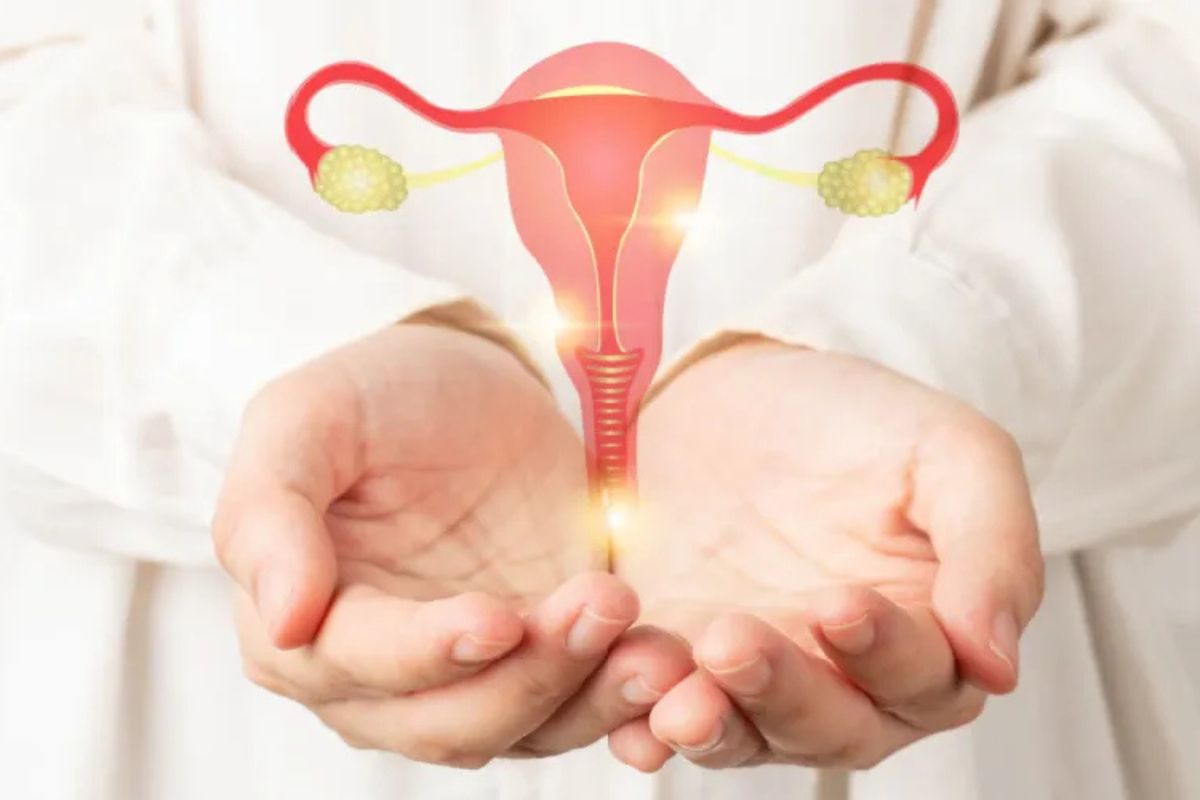
Infertility can be emotionally and physically challenging for couples trying to conceive. One of the most common and less invasive fertility treatments recommended by doctors is Intrauterine Insemination (IUI). If you are planning to undergo IUI, proper preparation can significantly improve your chances of success.
This detailed guide explains how to prepare for IUI for female patients, including important medical tests, lifestyle changes, medications, and a step-by-step timeline. If you are considering IUI Treatment in Kenya, understanding the process in advance can help you feel confident and prepared. Many women seek guidance from trusted fertility centers like Fertility Point to receive structured care and personalized advice.
What is IUI?
Intrauterine Insemination (IUI) is a fertility procedure in which specially prepared sperm is directly placed inside a woman’s uterus during ovulation. The goal is to increase the number of sperm reaching the fallopian tubes and improve the chances of fertilization.
IUI is often recommended in cases of:
-
Unexplained infertility
-
Mild male factor infertility
-
Ovulation disorders
-
Cervical mucus problems
-
Couples using donor sperm
It is less invasive and more affordable compared to IVF, making it a preferred first-line treatment in many cases.
Factors that Affect IUI Success
Success depends on:
-
Women’s age (higher success under 35 years)
-
Egg quality
-
Sperm quality
-
Open fallopian tubes
-
Endometrial thickness
-
Lifestyle factors
Clinics offering structured IUI Treatment in Kenya usually follow strict monitoring protocols to improve success rates.
Essential Tests Before IUI
Before starting IUI, certain tests are required to assess your reproductive health.
1. Hormone Blood Tests
These tests check ovarian function and hormone balance:
-
FSH (Follicle Stimulating Hormone)
-
LH (Luteinizing Hormone)
-
AMH (Anti-Müllerian Hormone)
-
Thyroid function tests
-
Prolactin levels
Hormone testing is usually done on Day 2 or Day 3 of your menstrual cycle.
2. Ultrasound Scan
A pelvic ultrasound helps:
-
Check ovarian reserve
-
Detect cysts or fibroids
-
Monitor follicle growth
A transvaginal ultrasound is commonly used for accurate results.
3. HSG (Hysterosalpingography)
This test checks whether your fallopian tubes are open. Since fertilization happens in the fallopian tubes, at least one open tube is necessary for IUI to work.
4. Infection Screening
Both partners are usually screened for infections like:
-
HIV
-
Hepatitis B & C
-
Syphilis
This ensures safety during the procedure.
5. Semen Analysis (Partner)
Although this focuses on female preparation, your partner’s sperm quality must also be evaluated. IUI works best when sperm count and motility are within an acceptable range.
What Happens on IUI Day?
-
The partner provides a semen sample.
-
The sample is washed and prepared in the lab.
-
A thin catheter is used to insert sperm into the uterus.
-
Procedure takes 10–15 minutes.
It is usually painless and does not require anesthesia.
After the procedure:
-
You may rest for 10–15 minutes.
-
Normal activities can resume the same day.
When Should You Consider IVF Instead?
IUI may not be recommended if:
-
Both fallopian tubes are blocked
-
Severe male infertility
-
Advanced maternal age (above 40)
-
Failed multiple IUI cycles
Common Mistakes to Avoid Before IUI
-
Ignoring prescribed medications
-
Skipping follow-up scans
-
Stressing excessively
-
Taking herbal remedies without a doctor's advice
-
Heavy exercise after trigger shot
Following medical instructions carefully is essential.
Final Thoughts
Preparing for IUI involves more than just attending the procedure. It requires medical evaluation, proper ovulation monitoring, healthy lifestyle changes, emotional readiness, and careful timing.
With proper preparation and expert guidance, IUI can significantly increase your chances of pregnancy. If you are choosing a reliable fertility clinic like Fertility Point and following all pre-treatment recommendations can improve your overall experience and outcomes.
FAQ's
Is IUI painful?
IUI is usually not painful. Some women may feel mild cramping, but it is brief and manageable.
How long does IUI take?
The procedure itself takes about 10–15 minutes.
Can I work after IUI?
Yes, you can return to normal activities the same day unless advised otherwise.
Does stress affect IUI success?
High stress may affect hormones. Managing stress can support better outcomes.