ICSI Treatment: How It Works & When It Is Recommended

The dream of holding a child in your arms can feel very close and very far at the same time. Month after month passes, hope rises and falls, and simple questions like “When are you having a baby?” begin to sting. For many couples, that silent heartache is part of daily life long before they ever walk into a fertility clinic.
In Kenya and across the region, about one in six couples faces causes of infertility. That number is not a sign of failure or weakness. It shows that infertility is a medical condition, just like high blood pressure or diabetes. Male and female partners can both be affected, and with the right care many of these problems can be treated. For couples who need advanced help, ICSI treatment in Kenya has opened the door to parenthood, especially when male infertility stand in the way.
“Infertility is a medical condition, not a personal failure. Getting help is an act of strength, not of weakness,” as many fertility specialists like to remind their patients.
Intracytoplasmic Sperm Injection, or ICSI, is a special form of IVF where a single sperm is gently injected into an egg under a powerful microscope. This method has changed how doctors care for severe male-factor infertility. At Fertility Point Kenya, internationally trained specialists, a modern embryology laboratory, and a warm, supportive team work together to make this advanced treatment available and affordable.
By reading this guide, a couple will learn what ICSI is, how it differs from standard IVF, when doctors recommend it, what the full treatment process looks like, and which factors affect success. There is also practical information about costs, emotional support, and special cases such as HIV, single parents, and international patients. Most of all, this article aims to show that with the right care and ICSI treatment in Kenya, parenthood can still be within reach, even after years of disappointment.
What Is ICSI Treatment And How Does It Differ From Standard IVF?
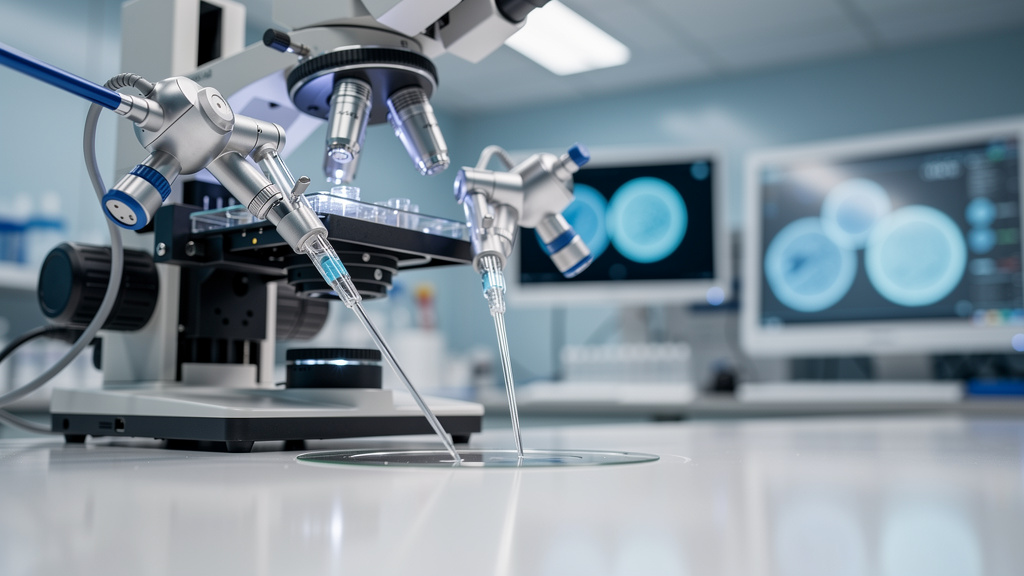
ICSI stands for Intracytoplasmic Sperm Injection. It is a specialized form of IVF used when sperm cannot fertilize the egg on their own. In standard IVF, eggs and sperm meet in a dish and fertilization happens more naturally. In ICSI, the embryologist takes a single sperm and places it directly inside the egg.
In conventional IVF:
-
Thousands of sperm are added to each mature egg in a small dish.
-
The sperm must swim, attach to the egg, and break through its outer layer by themselves.
-
If enough healthy sperm are present, this method works very well.
-
The eggs then sit in an incubator and fertilization is checked the next day.
For couples without sperm problems, this can be an effective approach.
With ICSI, the process in the laboratory looks very different. Under a high-powered microscope, an embryologist carefully examines the sperm sample and selects one sperm for each mature egg. Using very fine glass needles called micropipettes, the embryologist holds the egg still with one pipette and uses another to inject the chosen sperm into the inner part of the egg. This careful work bypasses many natural barriers that weak, slow, or abnormally shaped sperm cannot cross on their own.
ICSI is part of Assisted Reproductive Technology, where eggs and sperm are handled outside the body to help achieve pregnancy. It is especially helpful when:
-
Sperm count is low
-
Sperm movement (motility) is poor
-
Sperm shape (morphology) is abnormal
At Fertility Point Kenya, this precision work takes place in an advanced embryology lab with strict air control, time-lapse incubators, and experienced embryologists. When a couple chooses ICSI treatment in Kenya at Fertility Point, they benefit from both modern science and a team that understands how much each egg and sperm mean.
When Is ICSI Treatment Recommended? Key Medical Indications
Although ICSI is powerful, it is not the right choice for every couple. Doctors recommend it based on careful testing of both partners. The main reason for ICSI treatment in Kenya and across many countries is severe male-factor infertility, but there are several specific situations where it becomes the preferred option.
Key indications for ICSI treatment in Kenya include:
-
Severe Male-Factor Infertility
This includes men with very low sperm count, very poor movement, or a high number of abnormally shaped sperm. Some men have a mix of these issues. In such cases, even if standard IVF is tried, the sperm may fail to fertilize the eggs. ICSI gives each egg a direct chance by placing one carefully chosen sperm inside. -
Sperm Obtained Through Surgery (TESA/TESE)
Some men have azoospermia, which means there is no sperm in the semen. In some of these cases, a urologist can collect sperm directly from the testicle or epididymis through procedures called TESA or TESE. The number of sperm from these methods is usually small and movement can be weak, so ICSI is needed to use every available sperm wisely. -
Previous IVF Cycle With Poor Or No Fertilization
Another reason for ICSI treatment in Kenya is a previous IVF cycle where fertilization was very low or did not happen at all. Even when sperm tests do not look very poor, eggs sometimes fail to fertilize in a standard IVF dish. After such an experience, many couples and doctors choose ICSI in the next cycle to reduce the risk of the same problem. -
Use Of Frozen Sperm Or Very Poor Motility
ICSI also helps when frozen sperm is used, since freezing and thawing can lower sperm movement. In rare cases, all sperm in the sample are non-moving. Special checks in the lab can sometimes show which sperm are still alive but unable to swim. ICSI allows embryologists to use these sperm that would never reach the egg by themselves. -
Preimplantation Genetic Testing (PGT)
ICSI is also used when couples choose Preimplantation Genetic Testing. In that case, fertilization must be very clean so that extra sperm around the egg do not affect the genetic test.
At Fertility Point Kenya, no couple is pushed into ICSI without a clear reason. Both partners go through a full evaluation, including semen analysis, hormone tests, and scans. Results are explained in simple language, and the team helps couples compare standard IVF with ICSI treatment in Kenya based on their personal situation. This clear and caring approach helps couples feel involved and informed rather than confused or pressured.
Understanding Male-Factor Infertility: Causes And Diagnosis In Kenya

Male-factor infertility accounts for about 40 percent of infertility cases, which means it is just as common as female-factor causes. Infertility is always a couple’s issue, even when the main medical problem lies with one partner. Looking at both partners from the start avoids blame and speeds up the search for the best treatment, which may include ICSI treatment in Kenya.
“Infertility is a shared condition, never just a woman’s problem or a man’s problem,” is a principle many fertility teams use when guiding couples.
Many different problems can affect a man’s fertility, such as:
-
Poor sperm production (low count, weak movement, abnormal shapes)
-
Blockages in the tubes that carry sperm, such as congenital absence of the vas deferens
-
Varicoceles, which are enlarged veins in the scrotum that raise testicular temperature
-
Hormone issues, such as low levels of the hormones that drive sperm production
-
Lifestyle factors like smoking, heavy alcohol use, anabolic steroids, high body weight, and exposure to heat or chemicals
-
Past infections or injuries to the testicles
The first and most important test for male fertility is a semen analysis. The man provides a sample after two to three days without ejaculation. The laboratory then measures:
-
How much semen there is
-
How many sperm are present
-
How well they move
-
What they look like
-
How many are alive
The World Health Organization has set reference limits that help doctors decide whether the results are likely to support natural conception or whether treatments such as ICSI treatment in Kenya may be needed.
|
Parameter |
Lower Reference Limit |
|---|---|
|
Semen Volume |
1.5 mL |
|
Sperm Concentration |
15 million per mL |
|
Total Sperm Number |
39 million |
|
Total Motility |
40 percent |
|
Progressive Motility |
32 percent |
|
Normal Morphology |
4 percent |
|
Sperm Vitality |
58 percent |
If the first semen analysis is abnormal, it is usually repeated after a few weeks. Sperm numbers can vary from one sample to another, so doctors do not rely on a single result. When sperm count is very low or zero, hormone tests, scrotal ultrasound, and sometimes testicular biopsy are done to look for a cause.
Fertility Point Kenya offers full male fertility evaluation, including advanced semen analysis and preparation for ICSI. Men are treated with respect and privacy, and results are explained clearly. This open approach reduces shame and helps couples see that ICSI treatment in Kenya is a medical option, not a sign of weakness.
The Complete ICSI Treatment Process: Your Step-By-Step Guide
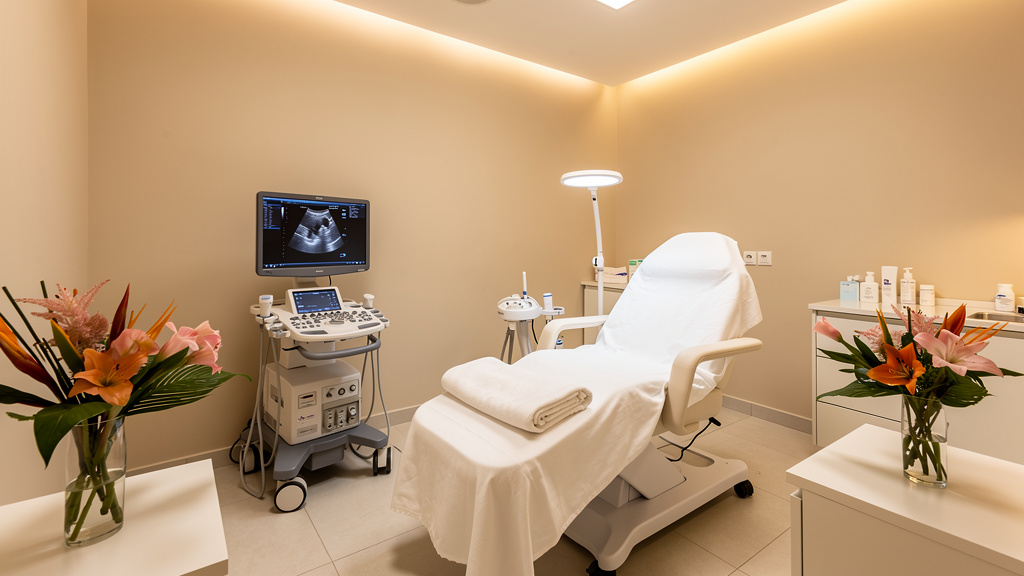
Starting ICSI can feel overwhelming at first, especially when a couple has already faced years of waiting. Knowing what to expect at each stage makes the process less frightening and easier to handle. At Fertility Point Kenya, every couple receives a clear plan and close support through each step-by-step guide of ICSI treatment in Kenya.
The process usually follows these main stages:
-
Ovarian Stimulation (10–12 Days)
The female partner uses daily hormone injections that encourage the ovaries to grow several eggs in one cycle instead of just one. Nurses teach how to give these injections at home, and most women find that the small needles are less scary once they have tried a few times. The goal is to collect a safe number of mature eggs that give a good chance of creating healthy embryos. -
Monitoring Visits
During this phase, regular monitoring visits are needed. Transvaginal ultrasound scans check how many follicles are growing in the ovaries and how large they are. Blood tests look at hormone levels to see how the body is responding. The fertility specialist may adjust the medication dose depending on these results. This careful follow-up helps avoid too few or too many eggs and keeps ICSI treatment in Kenya as safe as possible. -
Trigger Injection
When the follicles reach the right size, a final injection called the trigger shot is given. This injection helps the eggs complete their maturation. Timing is very important here, because egg retrieval happens about thirty-four to thirty-six hours after this shot. The clinic guides couples closely so that this step is not missed. -
Egg Retrieval Procedure
Egg retrieval is a short procedure that takes place in the clinic’s theatre under light sedation. The woman does not feel pain during the procedure, and most describe it as similar to taking a short nap. Using ultrasound guidance, the doctor passes a fine needle through the vaginal wall into each follicle to gently collect the fluid that contains the eggs. The eggs are then passed immediately to the embryology lab, where ICSI will take place. -
Sperm Collection And Preparation
On the same day, the male partner provides a semen sample. If he has severe sperm problems or azoospermia, a planned surgical sperm aspiration procedure may be done to collect sperm directly from the testicle. In the laboratory, scientists wash and process the sample with special techniques so that the healthiest and most active sperm are concentrated. This careful preparation is a key part of ICSI treatment in Kenya, because it lets the embryologist choose the best sperm for each egg. -
The ICSI Procedure
The ICSI procedure itself happens entirely in the lab. First, the eggs are cleaned of the surrounding cumulus cells so that the embryologist can see their maturity. Under a powerful microscope, a single good-looking sperm is chosen for each egg and gently stopped from moving. The egg is held in place with a holding pipette while another fine glass pipette passes through the outer shell into the inner fluid. The sperm is released inside the egg with steady, gentle pressure. This step is repeated for each mature egg. -
Embryo Culture And Selection
After ICSI, the fertilized eggs, now called embryos, are placed in special incubators that copy conditions in the human body. Over the next three to six days, embryologists check their development at important points. With time-lapse incubators such as the EmbryoScope, they can watch the embryos grow without taking them out of their safe environment. This helps the team choose the strongest embryo for transfer and plan the best day to move it into the womb. -
Embryo Transfer And Luteal Support
Embryo transfer is a simple procedure that usually does not need sedation. The doctor passes a thin, soft catheter through the cervix and places the chosen embryo into the uterus while watching on ultrasound. Many clinics, including Fertility Point Kenya, recommend transferring a single good embryo, especially for younger women, to reduce the risk of twins or triplets. Any extra high-quality embryos can be frozen embryos for later.
After transfer, the woman starts progesterone support in the form of tablets, injections, or vaginal capsules. This hormone helps the lining of the womb stay ready for implantation. The hardest part for many couples is the waiting time until the pregnancy test, which is usually done nine to fourteen days after transfer. During this time, the team at Fertility Point Kenya stays in close contact, answers questions, and supports the couple until test day and beyond. Whether that test is positive or not, the information gained from the cycle helps guide the next steps in ICSI treatment in Kenya.
The Role Of Fertility Point Kenya's Advanced Embryology Laboratory
Behind every successful ICSI cycle is a high-quality embryology laboratory. This is where eggs, sperm, and embryos spend most of their time during treatment. The conditions in this space affect fertilization, embryo growth, and final pregnancy rates, so the design and running of the lab matter just as much as the doctor’s skills.
“The lab is the quiet centre of an IVF clinic; embryos spend more time there than anywhere else,” as many embryologists like to say.
At Fertility Point Kenya, the lab environment is carefully controlled to protect fragile eggs and embryos. The air passes through HEPA and activated carbon filters that remove fine particles and harmful chemicals. Positive air pressure keeps unfiltered air from flowing into the lab from the outside. Temperature and humidity stay within narrow limits and light is kept gentle. These details may seem small, but together they create a safe space where embryos can grow well during ICSI treatment in Kenya.
Patient safety is central to how the lab works. Every dish and tube that carries eggs, sperm, or embryos is labeled clearly with several identifiers. At each key step, two trained staff members check these details together in a double-witnessing system. This careful checking, along with written standard procedures and regular staff training, helps prevent mix-ups and errors. Equipment such as incubators, microscopes, and micromanipulation tools receive regular checks and maintenance.
Advanced technology also sets Fertility Point Kenya apart. Time-lapse incubators let embryologists watch embryo development in detail and pick the ones with the best pattern of growth. Modern micromanipulators give fine control during the ICSI procedure, so each sperm is placed gently and accurately. egg vitrification, an ultra-fast freezing method, allows eggs and embryos to be frozen and later thawed with very high survival rates. The lab team also offers specialized services such as sperm washing for HIV-positive patients and handling of surgically retrieved sperm. All of these elements support the high IVF and ICSI success rates that Fertility Point Kenya reports, giving couples strong reasons to choose ICSI treatment in Kenya at this center.
Success Rates And Factors That Influence ICSI Outcomes
Many couples ask one clear question before starting ICSI treatment in Kenya: “What are our chances?” The honest answer is that success rates depend on several medical and lifestyle factors. While no clinic can promise a pregnancy, understanding these factors helps couples see which parts they can improve and which are outside their control.
Key factors that shape ICSI outcomes include:
-
Female Age
The age of the female partner has the biggest effect on ICSI success. Egg quality and egg number fall as age rises, even when a woman looks and feels healthy. Research from Nairobi has shown that a higher than expected number of women under forty already have a low ovarian reserve. That means fewer eggs and more chance of chromosomal problems. Women under thirty-five generally see higher success rates, though ICSI can still help older women, especially with early assessment and planning. -
Ovarian Reserve
Tests such as Anti-Müllerian Hormone (AMH), antral follicle count on ultrasound, and day-two or day-three FSH show how the ovaries are likely to respond to stimulation. A higher reserve often allows more eggs to be collected and raises the chance of having good-quality embryos. On the other hand, women with a low reserve may produce fewer eggs, and doctors may suggest starting ICSI treatment in Kenya sooner rather than delaying. -
Sperm Quality
increase sperm count still matters even when ICSI is used. ICSI can overcome low count, poor movement, and abnormal shapes, but very poor sperm DNA quality can still affect embryo development and miscarriage risk. Stopping smoking, reducing alcohol, losing excess weight, and avoiding heat or toxins all support better sperm over a few months. -
Uterine Health
The condition of the uterus is also important. A thick, receptive lining improves the chance that a transferred embryo will implant. Fibroids that push into the cavity, polyps, adhesions, or untreated infections may lower success, so Fertility Point Kenya checks and treats these issues before transfer whenever needed. -
Lifestyle And General Health
Nutritional status, chronic illnesses such as diabetes or hypertension, stress levels, and sleep patterns all have smaller but meaningful effects on success rates. -
Laboratory And Clinical Expertise
Finally, the quality of the lab and the skill of the team play a major role. Fertility Point Kenya combines an advanced lab, experienced embryologists, and a structured quality program, leading to IVF success rates of around sixty-five percent in suitable patients. While results differ between couples, this level shows that science, careful processes, and human care can add up to strong outcomes for ICSI treatment in Kenya. Many couples need more than one cycle, and frozen embryo transfers from the same stimulation round give added chances without repeating the whole process.
Preparing For ICSI: Medical Evaluation And Lifestyle Optimization
Preparation for ICSI treatment in Kenya starts long before the first injection. The choices a couple makes in the months before treatment can shape how many eggs are collected, how strong the embryos are, and how the body handles pregnancy. Medical testing and lifestyle adjustments both play important roles.
For female partners, doctors focus on:
-
Ovarian reserve – tests for AMH, FSH, and estradiol
-
Hormone balance – including thyroid hormones and prolactin
-
Uterine health – pelvic ultrasound to check the uterus and ovaries
-
Tubal status and cavity shape – tests such as hysterosalpingogram or hysteroscopy to look for blocked tubes, fibroids, or polyps
-
General health and infections – screening for HIV, hepatitis, and other infections, plus a routine health check
For male partners, preparation usually includes:
-
A full semen analysis (often repeated if abnormal)
-
Hormone tests when sperm numbers are very low
-
Scrotal ultrasound to look for varicoceles or structural problems
-
Planning for testicular sperm retrieval when needed
-
Infectious disease screening to protect both partners and the future baby
Based on these results, the team at Fertility Point Kenya explains whether standard IVF, ICSI, or other approaches such as sperm freezing are likely to help most.
Lifestyle changes can support all of this medical work. Helpful steps before ICSI include:
-
Reaching a weight loss improve fertility to support hormone balance
-
Eating a diet rich in fruits, vegetables, whole grains, lean protein, and healthy fats
-
Stopping smoking and avoiding recreational drugs
-
Limiting alcohol intake
-
Sleeping seven to nine hours per night
-
Exercising regularly without extreme training
-
Finding ways to lower stress, such as walking, breathing exercises, prayer, or quiet time
Doctors often recommend starting these changes three to four months before ICSI. Sperm take about seventy-four days to form, and egg quality is also shaped by several months of health. Fertility Point Kenya supports couples with practical advice, nutrition guidance, and clear timelines so that when treatment begins, both partners feel they have done what they can to prepare.
Emotional Support And Psychological Well-Being During ICSI Treatment

Infertility is not only a medical condition. It also touches emotions, identity, relationships, and even friendships. Many couples say that going through tests and treatment, including ICSI treatment in Kenya, has been one of the most stressful periods of their lives. These feelings are common and nothing to be ashamed of.
The process can trigger many emotions. Some people feel grief for the baby they have not yet met. Others feel anger, guilt, or self-blame. Anxiety may rise before every scan or blood test, followed by sadness if the results are not as hoped. The waiting period between embryo transfer and pregnancy test often feels very long, and social events such as baby showers or family gatherings can be painful. Financial pressure and fears about the future add to this emotional load.
“Hope and heartbreak often live side by side during fertility treatment,” as many counselors gently tell their patients.
Recognizing these feelings and talking about them can make a big difference. Fertility Point Kenya offers access to counselors and psychologists who understand infertility and assisted reproduction. They help individuals and couples put words to what they feel, learn coping skills, and make decisions about treatment steps. Support is available before treatment begins, during stimulation, after egg collection, and during early pregnancy or after failed cycles.
Building resilience during ICSI treatment in Kenya includes caring for the relationship as well as personal mental health. Honest, gentle communication between partners helps prevent misunderstandings and keeps both people on the same team. Setting limits with well-meaning relatives or friends can reduce hurtful questions. Some people find comfort in support groups or online communities where others share similar stories. Simple habits such as walking, journaling, breathing exercises, prayer, or quiet time without phones also give the mind space to rest.
A key person in this process at Fertility Point Kenya is the IVF coordinator. This staff member becomes a regular contact who guides appointments, explains instructions, and answers questions. Having one familiar, caring face through the ups and downs of ICSI treatment in Kenya helps many couples feel less alone and more in control of their care.
Cost Considerations And Accessibility Of ICSI Treatment In Kenya
ICSI is one of the most advanced forms of fertility care, and it is natural to worry about costs. Because ICSI needs special equipment and extra time from skilled embryologists, it usually costs more than standard IVF. Talking openly about fees and planning ahead helps couples focus on treatment without constant financial fear.
The main ICSI treatment package usually includes several parts:
-
Medication for ovarian stimulation
-
Regular ultrasound and blood tests
-
The egg retrieval procedure with sedation
-
Semen collection and preparation
-
The ICSI procedure in the lab
-
Embryo culture
-
The first embryo transfer
-
Early pregnancy blood tests and luteal phase support
When comparing clinics for ICSI treatment in Kenya, it is important to ask exactly what each package covers.
There are also possible extra costs, such as:
-
TESA or TESE for sperm retrieval
-
Freezing and storage of extra embryos
-
Later frozen embryo transfer cycles
-
Preimplantation Genetic Testing (if chosen)
-
Additional medication, when higher doses are needed
Fertility Point Kenya aims to keep advanced care within reach for Kenyan and regional families. The clinic offers clear, written price lists, explains expected costs at the first visit, and avoids hidden charges. Flexible payment options help spread the cost, and more employers, including schools and large companies, now offer fertility benefits that can support ICSI treatment in Kenya. For international patients, prices at Fertility Point Kenya are often significantly lower than in Europe or North America, while still offering international-standard care. When weighed against the chance to build a family, many couples see ICSI as a major but meaningful investment in their future.
Special Considerations: ICSI For Specific Patient Populations

Some patients who seek ICSI treatment in Kenya have special medical or social needs. Fertility Point Kenya is committed to caring for these groups with respect, safety, and individual plans, so that no one is left behind because of illness, marital status, or background.
Important groups include:
-
Couples Affected By HIV
Couples where one or both partners live with HIV often fear passing the virus to the baby or the uninfected partner. Modern HIV treatment has changed this picture. When the HIV-positive partner takes antiretroviral therapy correctly and has an undetectable viral load for at least four to six months, the risk of transmission becomes extremely low. For serodifferent couples where the man is HIV-positive, sperm washing can separate sperm cells from the fluid where most of the virus is found. These washed sperm can then be used with ICSI, adding another layer of safety during ICSI treatment in Kenya. Fertility Point Kenya works closely with HIV specialists to keep both parents and baby safe. -
Single People And LGBTQ+ Patients
Single women, lesbian couples, gay male couples, and transgender people also seek help with building families. Single women and lesbian couples may use donor sperm with IUI or IVF and ICSI, depending on their medical needs. Gay male couples need an egg donor and a gestational carrier, and ICSI may be used to make the most of every donor egg. Transgender individuals are encouraged to talk about fertility preservation before starting gender-affirming hormones or surgery. Fertility Point Kenya strives to offer a kind, non-judgmental space where these conversations feel safe. -
Men With Azoospermia Or Previous IVF Failure
ICSI is also important for men with azoospermia, where no sperm appear in the semen. When the cause is a blockage or certain types of testicular failure, TESA or TESE can collect sperm directly from the testes. These sperm often show weak movement and low numbers, but ICSI makes it possible to use even a very small sample to fertilize eggs. For couples who had poor or no fertilization in a previous IVF cycle, a switch to ICSI treatment in Kenya often makes sense. Fertility Point Kenya studies each past cycle in detail and adjusts the plan for the next attempt. -
International Patients
International patients from across Africa and beyond come to Nairobi for care at Fertility Point Kenya. The clinic offers virtual first visits, helps plan when to travel, and guides couples on how long they need to stay in Kenya for each phase of treatment. This level of planning makes ICSI treatment in Kenya a realistic option even for those who live far away.
Conclusion
ICSI has changed what is possible for couples facing severe male-factor infertility. By allowing a single carefully chosen sperm to fertilize each mature egg, it gives a chance where natural conception or even standard IVF may fail. When combined with careful diagnosis, modern laboratory care, and honest guidance, ICSI treatment in Kenya can turn years of waiting into real hope.
Fertility Point Kenya brings together internationally trained fertility specialists, an advanced embryology lab, and a gentle, patient-first approach. The clinic’s use of time-lapse incubators, micromanipulation tools, and vitrification, along with a well-structured quality system, supports high IVF and ICSI success rates. At the same time, counselors, IVF coordinators, and nurses walk beside each couple with empathy, clear information, and steady support.
Every couple’s story is different, and no single treatment fits everyone. Some need only lifestyle changes and simple treatments, while others need ICSI, egg or sperm donation, or surrogacy. What matters is that no one has to face these choices alone. For many couples in Kenya, East Africa, and beyond, ICSI treatment in Kenya at Fertility Point has opened the way to pregnancy after years of struggle.
If conception has not happened after a year of regular unprotected intercourse, or sooner if age or known medical issues are present, early assessment can make a big difference. To learn whether ICSI may be right, a couple can book an initial consultation with Fertility Point Kenya, in person or online. Taking that first step is an act of courage and hope, and the team is ready to walk with each couple toward the family they long for.
FAQ's
Is ICSI More Successful Than Regular IVF?
ICSI is not always more successful than standard IVF or ICSI. Its real advantage appears when sperm cannot fertilize eggs on their own, such as in severe male-factor infertility. When sperm numbers and movement are normal, IVF and ICSI often have similar pregnancy rates. At Fertility Point Kenya, specialists review each couple’s tests and advise whether ICSI treatment in Kenya adds value in their case.
Does ICSI Increase The Risk Of Birth Defects Or Genetic Problems?
ICSI involves more handling of the egg than standard IVF, so many couples worry about safety. Large studies over many years show that most children born after ICSI are healthy. A small increase in certain problems seems linked mainly to the same genetic issues that caused the severe male infertility, not to ICSI itself. When there is concern about inherited disease, Preimplantation Genetic Testing can be offered as part of ICSI treatment in Kenya. Regular antenatal care and scans during pregnancy then help follow the baby’s growth.
How Long Does The Entire ICSI Treatment Process Take From Start To Finish?
From the start of ovarian stimulation to the pregnancy test, one ICSI cycle usually lasts four to six weeks. Ovarian stimulation takes about ten to twelve days, followed by egg retrieval, fertilization, and embryo culture over three to six days. Embryo transfer happens on day three or day five, and the blood pregnancy test follows nine to fourteen days later. Some couples also use the months before ICSI treatment in Kenya to improve lifestyle and complete tests.
Is ICSI Painful? What Can I Expect During The Procedure?
The ICSI step itself happens completely outside the body, so patients do not feel it. During ovarian stimulation, injections may cause slight stinging, bloating, or mood changes, but these effects are usually mild. Egg retrieval takes place under light sedation or anesthesia, so there is no pain during the procedure and only mild cramping afterward for a day or two. Embryo transfer feels similar to a Pap smear for most women and does not need anesthesia. The team at Fertility Point Kenya explains each step in advance and offers pain relief and emotional support so that ICSI treatment in Kenya feels as manageable as possible.