Kidney Stones and Female Infertility: Clear Answers for Women in Kenya
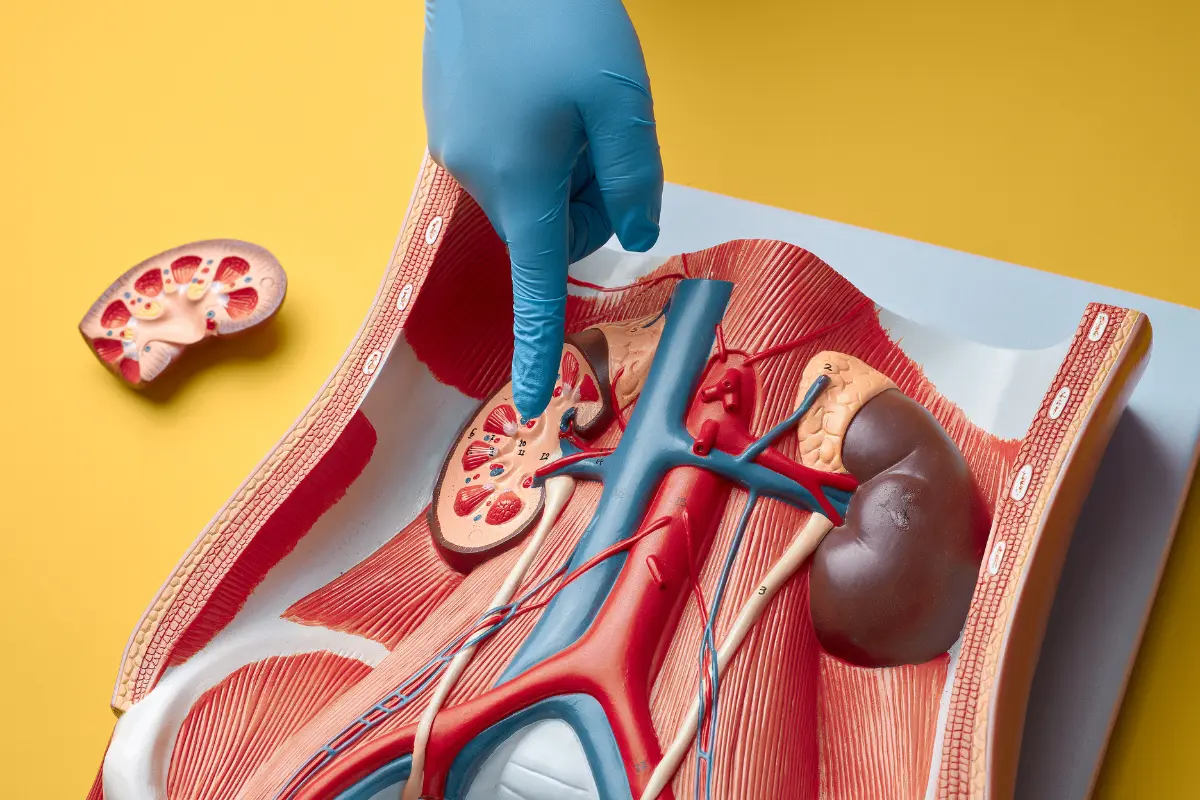
A sharp pain in the side, a night in the emergency room, a diagnosis of kidney stones, and then months of negative pregnancy tests. It is natural for anyone in that position to wonder whether the two problems are linked. Many women quietly ask themselves whether kidney stones can cause female infertility and whether that pain is now standing between them and a baby.
Kidney stones and infertility seem far apart: one affects the urinary system, the other the reproductive system. Yet when both appear around the same time, the mind pulls them together. Friends, online searches, and family often give mixed messages, which adds to fear and confusion.
This article looks at what medical evidence actually says about the relationship between kidney stones and female fertility, with a special focus on women in places like Mombasa and across Kenya. It explains what kidney stones are, how female fertility works, where there may be indirect links, and how Fertility Point Kenya supports women and couples who have both fertility concerns and health issues such as kidney problems. By the end, you will know what is and is not a real risk, when to seek a fertility check, and what treatment options exist, from simple lifestyle changes to advanced IVF.
What Are Kidney Stones And How Common Are They?
Before looking at any link with infertility, it helps to understand what kidney stones are. Kidney stones, or renal calculi, are hard lumps made from minerals and salts that form inside the kidneys when urine becomes very concentrated. Minerals such as calcium, oxalate, and uric acid stick together instead of being washed out.
Kidney stones are fairly common worldwide. Doctors in East Africa see them often, especially in hot coastal areas like Mombasa, where dehydration is more likely. Both men and women can get them, although men are affected a little more often. Some stones are tiny and pass silently; others are larger and cause strong pain when they move into the narrow tube (ureter) that carries urine from the kidney to the bladder.
Common types of kidney stones include:
-
Calcium oxalate stones
-
Uric acid stones
-
Struvite stones (often linked with infection)
-
Cystine stones (linked with rare genetic problems)
Shared risk factors include:
-
Not drinking enough water
-
A diet very high in salt or animal protein
-
Obesity
-
Family history of stones
-
Some medical problems that change mineral balance in the body
Symptoms usually appear only when a stone starts to move. Typical signs are:
-
Severe, cramping pain in the side or back, radiating to the lower abdomen or groin
-
Urine that looks pink, red, or brown from blood
-
Burning when passing urine
-
Nausea or vomiting
-
Fever or chills (this may mean infection and is a medical emergency)
Understanding Female Infertility Definition And Common Causes
Infertility is not just a feeling; it has a clear medical definition. The World Health Organization describes infertility as the failure to achieve a clinical pregnancy after twelve months or more of regular, unprotected intercourse.
“Infertility is a disease of the male or female reproductive system defined by the failure to achieve a pregnancy after 12 months or more of regular unprotected sexual intercourse.” - World Health Organization
Studies suggest that up to one in five couples in parts of Africa experience infertility at some point. It is a shared health issue:
-
Around 30% of cases are mainly due to a female factor
-
Around 30% to a male factor
-
The rest are mixed or unexplained
In about 80% of couples, the main causes are an ovulation problem, blockage of the fallopian tubes, or a sperm-related issue.
For women, frequent causes of female infertility include:
-
Ovulatory problems
-
Irregular or very long cycles
-
Polycystic ovary syndrome (PCOS)
-
Primary ovarian insufficiency
-
Thyroid disorders
-
-
Structural problems in the reproductive organs
-
Blocked fallopian tubes from past sexually transmitted infections such as chlamydia or gonorrhea
-
Fibroids, endometrial polyps, or endometriosis changing the shape or function of the uterus and ovaries
-
-
Age and general health
-
Egg number and quality decline with age, especially after 35
-
High blood pressure, diabetes, very low or high body weight
-
Smoking, heavy alcohol use, very high caffeine intake
-
Long-term stress or very intense exercise affecting hormones
-
The key message is that many causes of infertility can be treated once they are identified, which is why a careful fertility assessment is so valuable.
Can Kidney Stones Directly Cause Female Infertility?
Many women with both kidney stones and difficulty conceiving ask whether the stone they passed last year is the reason pregnancy has not happened. This is an understandable fear, especially when kidney pain and delayed conception occur in the same phase of life.
The clear medical answer is that there is no strong evidence that kidney stones directly cause female infertility. Kidney stones form in the urinary system (kidneys, ureters, bladder, urethra). Female fertility depends on the reproductive system (ovaries, fallopian tubes, uterus, cervix, vagina). These systems sit close together in the body but work separately.
Because of this separation:
-
A kidney stone does not usually damage the ovaries
-
It does not block the fallopian tubes
-
It does not scar the lining of the womb
Many women who have had kidney stones go on to conceive naturally, which supports the view that there is no direct cause-and-effect link.
People often connect kidney stones with infertility because:
-
Both problems commonly appear in the same age range
-
Pain and fear make any delay in pregnancy feel more threatening
-
Kidney disease and infertility are emotional topics, which heightens anxiety
It is reassuring to remember: kidney stones themselves do not usually damage fertility, even though they can affect health in other ways.
The Indirect Ways Kidney Stones May Impact Fertility
While kidney stones do not directly block or damage the reproductive organs, they can affect the body in ways that might indirectly make it harder to conceive. The concern shifts from the stone itself to the pain, stress, infections, and general health issues that may come with repeated stone episodes.
Possible indirect effects include:
-
Physical stress and hormone changes
Severe or repeated kidney stone pain increases stress hormones. Over time, this can disturb communication between the brain, pituitary gland, and ovaries, sometimes leading to irregular cycles or missed ovulation.
-
Emotional strain and relationship stress
Fear of another stone attack, worries about kidney damage, and anxiety about fertility can change sleep, eating patterns, and interest in sex. All of these can reduce the chance of conception in any given month.
-
Infections and inflammation
Kidney stones can cause urinary tract infections, especially when they block urine flow. Strong or repeated infections trigger inflammation, which may make the body feel unwell and less ready for pregnancy.
-
Reduced kidney function
A long-standing blockage can damage a kidney. Poor kidney function disrupts blood pressure, fluid balance, and energy levels, making it harder for the body to support conception and pregnancy.
-
Medication and procedures
Strong pain medicines, some antibiotics, and drugs used to prevent stones may not be suitable during active attempts to conceive or early pregnancy. Hospital visits, shock-wave treatment, or ureteroscopy can also disrupt timing for intercourse or fertility treatment.
The positive side is that these indirect effects can often be managed. Careful planning between a urologist, nephrologist, and fertility specialist helps most women with kidney stones move ahead safely with their plans to become pregnant.
Kidney Disease And Male Infertility Understanding The Partner Factor
Infertility is rarely only about one partner. While kidney stones do not directly cause female infertility, long-term kidney disease in men is a known risk factor for male infertility. This matters for couples in Kenya and across East Africa who are trying to understand the full picture.
Chronic kidney disease can disturb male hormone levels, including testosterone. Lower testosterone and changes in other hormones can:
-
Reduce sperm production
-
Affect sperm movement and shape
-
Cause low sexual desire or erection problems
Other male infertility risks include:
-
Smoking and heavy alcohol use
-
Obesity and sedentary habits
-
Prolonged heat exposure around the testicles (for example, long hours with a laptop on the lap)
-
Past infections such as mumps or untreated sexually transmitted infections
-
Previous chemotherapy, radiation, or testicular injury
Because around one-third of infertility cases are mainly due to male factors, both partners how to test for, especially if the man has any history of kidney problems. A simple semen analysis gives valuable information and is part of routine assessment at Fertility Point Kenya.
When Should You Seek A Fertility Evaluation?

Many couples are unsure how long to try on their own before seeing a specialist. General medical guidance is:
-
Women under 35 with regular cycles and no known health problems can try for 12 months with regular, unprotected intercourse
-
Women 35 or older are advised to seek help after 6 months of trying
Earlier evaluation is wise if you:
-
Have irregular, very long, or absent periods
-
Have known conditions such as PCOS, endometriosis, fibroids, or thyroid disease
-
Have a history of pelvic infections or surgery
-
Have a partner with known sperm problems or testicular injury
-
Have other long-term health conditions, including recurrent kidney stones or kidney disease
Recurrent kidney stones alone do not mean conception will fail, but they signal a chronic health issue your fertility doctor should know about.
Seeing a fertility specialist early does not mean you must start IVF immediately. It means getting clear answers, understanding your options, and making a plan. At Fertility Point Kenya in Mombasa, couples and individuals are welcome even if they are still deciding when or whether to begin treatment.
Comprehensive Fertility Evaluation At Fertility Point Kenya

A proper answer to whether kidney stones can cause female infertility for a particular person requires a complete look at overall health, not just one organ. At Fertility Point Kenya, every assessment starts with listening. The first visit usually includes:
-
Detailed discussion of general health and medications
-
Full medical history, including any kidney stones or kidney disease
-
Sexual and reproductive history
-
Physical examination for one or both partners, where appropriate
Female fertility testing focuses on hormones and the structure of the reproductive organs:
-
Blood tests for follicle-stimulating hormone (FSH), luteinizing hormone (LH), anti-Müllerian hormone (AMH), progesterone, thyroid hormones, and other markers
-
Transvaginal ultrasound to view the uterus and ovaries, count resting follicles, and look for fibroids, cysts, or polyps
-
Hysterosalpingogram (HSG) to check whether the fallopian tubes are open and the womb has a normal shape
For the male partner, a semen analysis checks sperm count, movement, and shape. If there is a history of kidney disease or other risk factors, extra blood tests or scans may be advised. Fertility Point Kenya uses a modern laboratory with a strong quality management system, so results are reliable.
A summary of typical first-line testing:
|
Area Checked |
Typical Tests At Fertility Point Kenya |
|---|---|
|
Female hormones and ovulation |
Blood tests, cycle tracking, ultrasound follicle count |
|
Female reproductive anatomy |
Transvaginal ultrasound, hysterosalpingogram, sometimes hysteroscopy |
|
Male sperm health |
Semen analysis, additional tests if abnormal |
|
General health |
Blood sugar, blood pressure checks, thyroid testing when indicated |
The clinic brings together internationally trained specialists, including Dr Rajesh with more than ten years of IVF experience and over five thousand IVF cases, and Dr Ayalew, who has sub-specialization in Reproductive Endocrinology and Infertility. This depth of training is especially helpful for women with other health issues such as recurrent kidney stones.
Treatment Options From Lifestyle Changes To Advanced IVF
Once testing is complete, the next step is to decide what to do. Even when a woman has a history that raises the question of whether kidney stones can cause female infertility, treatment often starts with simple measures that support both kidney and reproductive health.
Helpful lifestyle and general health steps include:
-
Drinking enough water to reduce the risk of new stones and support healthy cervical mucus and blood flow
-
Adjusting diet to reduce excess salt, very high animal protein, and sugary drinks
-
Reaching a healthy body mass index
-
Stopping smoking and cutting back on alcohol and very high caffeine intake
-
Sleeping well and learning practical stress management techniques
When specific causes of female infertility are found, medical treatments may include:
-
Ovulation induction medicines such as clomiphene citrate or letrozole to help the ovaries release eggs regularly
-
Injectable hormones under close monitoring when needed
-
Minimally invasive surgery for fibroids, polyps, or endometriosis that affect fertility
Dr Rajesh at Fertility Point Kenya has a special interest in fertility-improving endoscopic procedures, which are done through tiny cuts and usually allow faster recovery.
Male factor infertility is also addressed. Options may include:
-
Varicocelectomy (surgery for enlarged veins around the testicle)
-
Vasectomy reversal or direct sperm retrieval for use in IVF
-
Antibiotics for infections
-
Medicines and lifestyle changes for hormone problems
For many couples, assisted reproductive technology offers the best chance of pregnancy:
-
Intrauterine insemination (IUI) places prepared sperm directly into the womb at the time of ovulation
-
In vitro fertilization (IVF) collects eggs from the ovaries, fertilizes them with sperm in the laboratory, and transfers one or more embryos into the womb
-
Intracytoplasmic sperm injection (ICSI) injects a single sperm into each mature egg, useful when sperm count or movement is very low
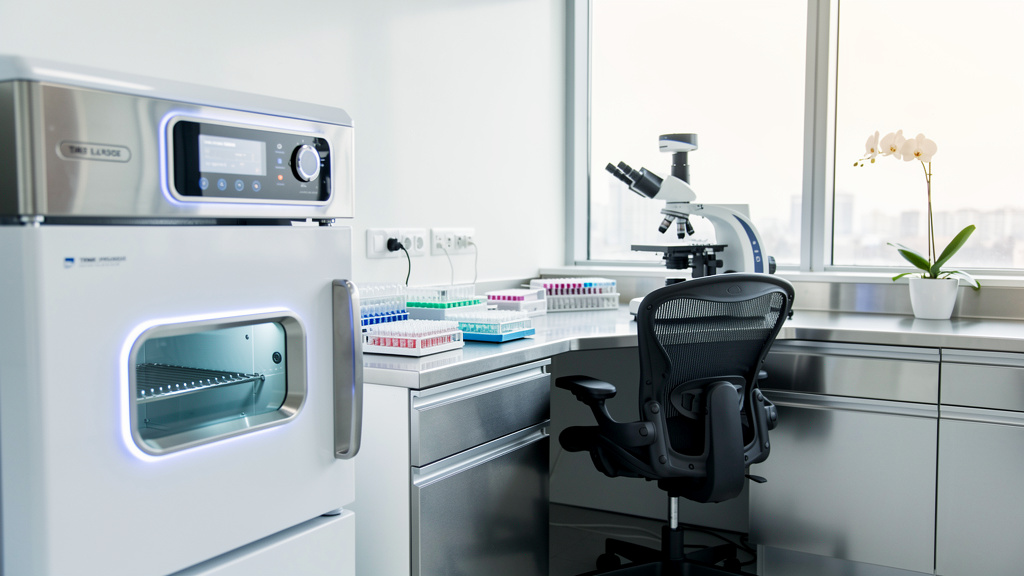
Fertility Point Kenya operates a state-of-the-art IVF laboratory in Mombasa. Time-lapse incubators allow embryos to grow in a stable environment while cameras record their development moment by moment. This gives embryologists detailed information without disturbing the embryos and helps them choose those with the highest chance of implanting.
Genetic testing such as pre-implantation genetic testing (PGT) may be offered when there is concern about inherited conditions or repeated miscarriages. Donor eggs, sperm, or embryos can be discussed when needed. The clinic reports success rates around 65% in suitable groups, with more than 3,500 pregnancies achieved, supported by senior embryologists and strong quality systems.
Managing Kidney Stones While Pursuing Fertility Treatment
For women and couples in Mombasa and across Kenya, a key concern is how to manage kidney stones while moving ahead with fertility care. With planning, it is usually possible to treat stones and still make steady progress toward pregnancy.
Good communication between all health providers is essential. Your urologist or nephrologist should know that you are trying to conceive or about to start IVF, and your fertility team should know about any recent stones, infections, or kidney procedures. This helps both sides choose medications and timing that are safe for a possible pregnancy.
As many fertility specialists tell their patients, “The goal is not just pregnancy, but a healthy pregnancy in a healthy body.”
Some practical points:
-
Small stones that are not causing pain or infection may be managed with high fluid intake and monitoring
-
Larger stones or those blocking the ureter may need procedures such as ureteroscopy with laser stone breaking, shock-wave treatment, or keyhole surgery
-
It is often better to complete such procedures and allow some healing time before starting strong fertility medicines or embryo transfer cycles
During an acute stone attack with severe pain or fever, fertility treatment is usually paused so the body can focus on dealing with the blockage or infection. Once the episode has settled and kidney function is stable, fertility care can restart. Pain relief must be chosen carefully, because some medicines interfere with ovulation or are not safe in early pregnancy. At Fertility Point Kenya, the team works with kidney specialists to choose pain control and infection treatment that protect both kidneys and future pregnancies.
Success Stories Fertility Point Kenya's Approach To Complex Cases
Many women who visit Fertility Point Kenya do not have simple medical histories. Some have had previous surgeries, long-term conditions such as diabetes or hypertension, or concerns about kidney health, including kidney stones. The clinic’s experience with complex cases is therefore very relevant for anyone wondering how kidney issues fit into their fertility picture.
The team of specialists, including Dr Rajesh with more than five thousand IVF cases and Dr Ayalew with advanced training in Reproductive Endocrinology and Infertility, looks at each person as a whole, not only at the ovaries or sperm. A woman with kidney stones is not told that her case is too difficult; instead, the staff listens, investigates, and forms a careful plan.
The laboratory at Fertility Point Kenya is equipped with modern tools such as time-lapse incubators and high-quality microscopes. Senior embryologists follow clear procedures and checks at every step, from egg handling to embryo transfer. Genetic testing is available when it can guide treatment.
Even though published case reports may not focus on kidney stones specifically, the overall pattern is clear: couples with complex medical backgrounds, once thought to have little chance, have gone on to welcome healthy babies. Alongside medical care, counselors and nurses provide emotional support, and the clinic offers payment plans to help reduce financial stress for Kenyan and East African families.
Conclusion
Living with kidney stones while trying to conceive can feel frightening, especially when every negative pregnancy test brings more doubt. It is understandable to wonder whether kidney stones can cause female infertility and to fear that a painful stone in the past has taken away the chance to carry a child. The medical evidence is reassuring: kidney stones form in the urinary system and do not usually damage the ovaries, fallopian tubes, or womb.
That does not mean kidney stones should be ignored. They can bring pain, stress, infections, and general health problems that may indirectly affect fertility. With careful treatment of stones and thoughtful timing of conception attempts or IVF cycles, these indirect effects can often be reduced. A full fertility evaluation that looks at both partners and the whole medical history is the best way to see what is truly standing between you and pregnancy.
Fertility Point Kenya in Mombasa offers this kind of complete, compassionate care. With internationally trained specialists such as Dr Rajesh and Dr Ayalew, a modern IVF laboratory with time-lapse incubators, strong quality systems, and more than 3,500 pregnancies achieved, the clinic has wide experience helping couples with complex health backgrounds. If kidney stones and infertility worries are weighing on your mind, reaching out for a consultation can be the first step toward clear answers and a realistic plan. With the right support, many couples with medical challenges go on to welcome the child they have long hoped for.
FAQ's
Do I Need To Have My Kidney Stones Completely Treated Before Trying To Conceive?
Ideally, any active kidney stone causing pain, blockage, or infection is treated before you try to conceive. Small stones without symptoms may not need urgent treatment, but your urologist and fertility specialist should agree on a safe plan. Preventive steps such as drinking enough water and adjusting diet can continue while you try. Some stone procedures are much easier to complete before pregnancy starts.
Will Having Had Kidney Stones In The Past Affect My IVF Success Rates?
A past history of kidney stones by itself does not usually lower IVF success rates. Age, egg quality, ovarian reserve, womb health, and sperm quality are more important. If earlier stones did not cause lasting kidney damage and your general health is good, your fertility potential is often similar to someone without stones. At Fertility Point Kenya, careful monitoring and advanced laboratory methods support good outcomes for women with varied medical backgrounds.
Can The Pain Medications I Take For Kidney Stones Affect My Fertility?
Some pain medications, especially non-steroidal anti-inflammatory drugs (NSAIDs) taken often around ovulation, may briefly interfere with egg release. Short-term use for a single stone attack is less likely to cause long-term problems, but it is important to tell your fertility doctor about all your medicines. When you are actively trying to conceive or going through IVF, pregnancy-friendly options such as paracetamol are usually preferred. Your fertility team and kidney specialist can create a pain plan that supports your goals.
Are Women With Kidney Stones More Likely To Experience Complications During Pregnancy?
Kidney stones can occur during pregnancy, but having had a stone in the past does not always mean complications. Pregnancy itself slightly increases the chance of stones because of hormonal changes and slower urine flow. Good hydration and regular checkups lower the risk of serious issues. If you have a history of stones, your obstetric team will follow your kidney function and urine tests closely. Preconception counseling at Fertility Point Kenya can help you prepare for a safer pregnancy.