What Are the Long-Term Side Effects of IVF Injections?
In vitro fertilization (IVF) has helped millions of couples achieve their dream of becoming parents. However, many people worry about the medications used during the process — especially IVF injections. A common question is: What are the long-term side effects of IVF injections?
It is completely normal to feel concerned about hormones and repeated injections. If you are considering treatment at the Best IVF Centre in Nairobi, understanding how these medicines work and their possible long-term effects can help you make a confident decision.
Understanding IVF Injections
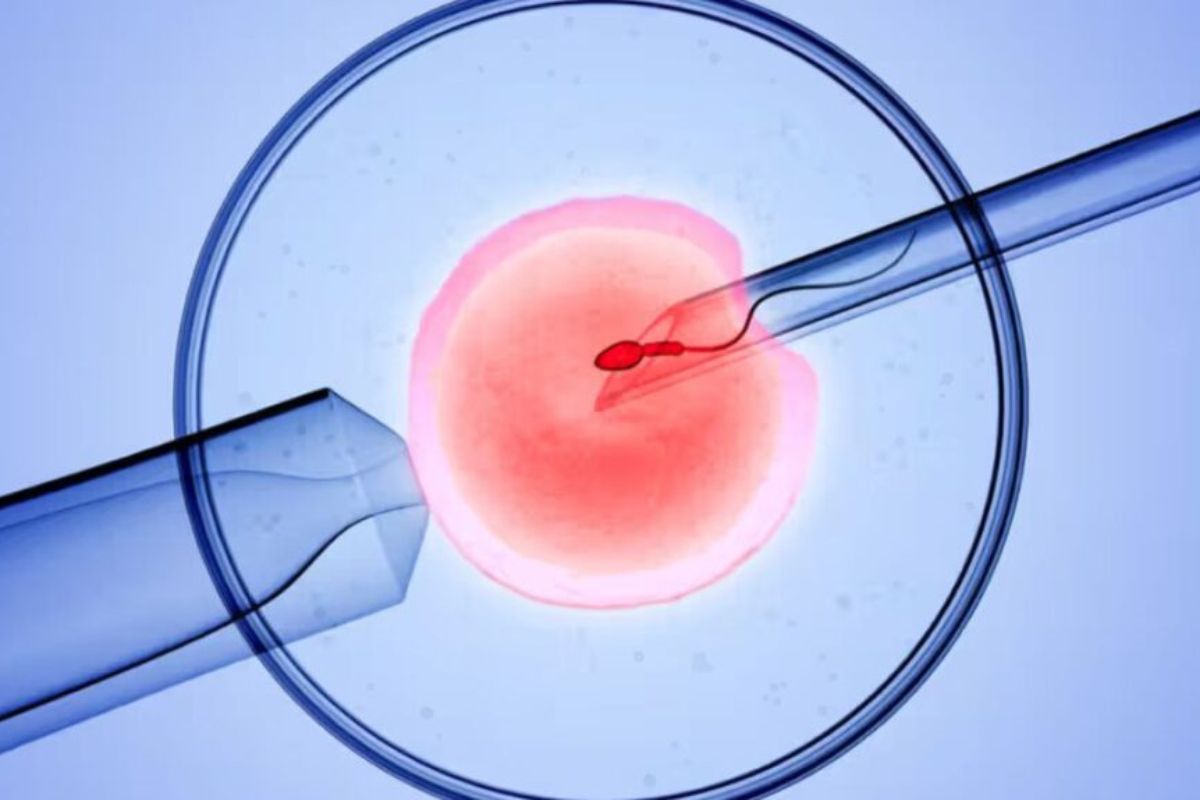
IVF injections are hormonal medicines used to help the ovaries produce multiple eggs in one cycle. In a natural menstrual cycle, your body usually releases just one egg. However, during IVF treatment, doctors aim to collect several mature eggs to increase the chances of successful fertilization and pregnancy. These injections are carefully planned and monitored to ensure safety and effectiveness.
Main Purposes of IVF Injections
-
Stimulate the ovaries to produce multiple eggs instead of just one
-
Control the timing of ovulation
-
Prevent premature egg release
-
Help eggs mature properly before retrieval
-
Support the uterine lining for implantation
Types of IVF Injections
1. Follicle-Stimulating Hormone (FSH) Injections
FSH injections stimulate the ovaries to produce multiple eggs in a single cycle, rather than just one. These hormones encourage the growth of several follicles, increasing the chances of retrieving healthy eggs. The dosage is carefully adjusted based on your ovarian response and hormone levels.
2. Luteinizing Hormone (LH) Injections
LH injections are sometimes combined with FSH to support proper egg development. They help the follicles mature and prepare the eggs for ovulation. Not all patients need LH, as treatment plans are personalized.
3. GnRH Agonists and Antagonists
These injections prevent premature ovulation during the stimulation phase. They ensure that eggs are not released before the scheduled egg retrieval procedure. This control helps doctors collect mature eggs at the right time.
4. hCG Trigger Shot
The trigger shot contains human chorionic gonadotropin (hCG) and is given when follicles are ready. It helps the eggs complete their final stage of maturation before retrieval. Timing is very important, as egg collection usually happens about 34–36 hours after this injection.
5. Progesterone Support Injections
Progesterone is given after embryo transfer to support the uterine lining. It helps create a healthy environment for implantation and early pregnancy. This support usually continues for a few weeks if pregnancy occurs.
Are IVF Injections Safe?
Modern IVF medications are considered safe and have been used for decades. Doctors carefully monitor hormone levels through blood tests and ultrasound scans.
Clinics such as Fertility Point, recognized as a top IVF Centre by many patients, use individualized treatment plans to minimize risks and prevent complications.
However, like any medical treatment, IVF injections can have short-term and potential long-term effects.
Short-Term Side Effects (Common and Temporary)
Before discussing long-term effects, let’s briefly understand short-term ones:
-
Bloating
-
Mild abdominal discomfort
-
Headaches
-
Mood swings
-
Breast tenderness
-
Injection site redness
These usually disappear after the cycle ends.
Possible Long-Term Side Effects of IVF Injections
Research shows that serious long-term side effects are rare. Still, it is important to understand the concerns that patients often ask about.
1. Ovarian Hyperstimulation Syndrome (OHSS)
In rare cases, the ovaries may over-respond to stimulation medications. Severe OHSS can cause fluid imbalance and discomfort, but with modern monitoring, long-term damage is extremely uncommon. Most cases resolve completely within weeks.
2. Impact on Ovarian Reserve
Many women fear that IVF injections reduce their egg supply permanently. However, research shows IVF does not accelerate menopause or permanently lower ovarian reserve. The medications simply mature eggs that would naturally be lost in that cycle.
3. Ovarian Cysts
Hormonal stimulation can sometimes lead to temporary ovarian cysts. These are usually harmless, disappear on their own, and rarely cause long-term fertility problems when properly monitored.
4. Hormonal Imbalance
Some women may experience short-term menstrual irregularities after treatment. While cycles may take a month or two to normalize, a permanent hormonal imbalance due to IVF injections is uncommon.
5. Cancer Risk Concerns
Extensive studies over decades have not shown a strong link between IVF medications and increased cancer risk in the general population. Women with pre-existing risk factors should discuss a personalized evaluation with their doctor.
Do Multiple IVF Cycles Increase Long-Term Risks?
Women undergoing multiple cycles often worry about cumulative effects.
Current evidence suggests:
-
Multiple cycles do not significantly increase cancer risk.
-
Hormone levels return to normal after each cycle.
-
Long-term health outcomes are generally reassuring.
However, every patient is different. That is why fertility specialists monitor hormone levels and adjust treatment plans carefully.
How Doctors Reduce Long-Term Risks
At a leading center like Fertility Point, doctors reduce risks by:
-
Customizing medication doses
-
Monitoring follicles with ultrasound
-
Performing regular blood tests
-
Adjusting treatment based on response
-
Avoiding overstimulation
Personalized care plays a major role in minimizing complications.
Who May Be at Higher Risk?
Certain women may need extra monitoring:
-
Women with PCOS
-
Women with very high ovarian reserve
-
Women with a family history of hormone-related cancers
-
Women with previous severe OHSS
Doctors at the Best IVF Centre in Nairobi typically evaluate these factors before starting stimulation.
Balancing Risks and Benefits
It is important to weigh concerns against the benefits.
IVF injections help:
-
Increase egg numbers
-
Improve fertilization chances
-
Boost pregnancy success rates
-
Provide hope to couples facing infertility
For most women, the benefits outweigh the small potential risks.
Final Thoughts
IVF injections are an essential part of fertility treatment. While concerns about long-term side effects are understandable, scientific research over decades shows that these medications are generally safe when administered under proper medical supervision.
Most side effects are short-term and disappear after treatment. Serious long-term complications are rare. If you are considering treatment at the Best IVF Centre in Nairobi, discussing your personal medical history with specialists at Fertility Point can help you feel more confident and informed.
Every fertility journey is unique. With the right guidance, monitoring, and emotional support, IVF injections can be a safe and effective step toward building your family.
FAQ's
Are IVF injections harmful in the long term?
For most women, IVF injections are safe. Serious long-term side effects are rare when treatment is properly monitored.
Can IVF injections cause permanent infertility?
No. IVF injections do not permanently damage your ovaries or reduce future fertility.
Is it safe to undergo multiple IVF cycles?
Yes, for most women. However, treatment should be supervised by experienced specialists.
How can I reduce risks during IVF?
Choose a trusted clinic, follow medical advice, attend monitoring appointments, and report unusual symptoms early.