What Happens to Your Body After Failed IVF?
IVF is more than just a medical treatment — it is an emotional investment filled with hope and anticipation. When a cycle does not result in pregnancy, the disappointment can feel overwhelming. Along with emotional pain, many women ask: What happens to Your Body After Failed IVF?
Your body undergoes intense hormonal stimulation during IVF. When pregnancy does not occur, your system must reset itself. This reset process involves hormonal changes, menstrual shifts, ovarian recovery, and emotional adjustments.
If you are undergoing treatment at an IVF Centre in Kenya, understanding these changes can help you feel more prepared, calm, and confident about what comes next.
Understanding IVF
Before fully understanding What Happens to Your Body After Failed IVF, it is important to clearly understand what IVF is and how it affects the body.
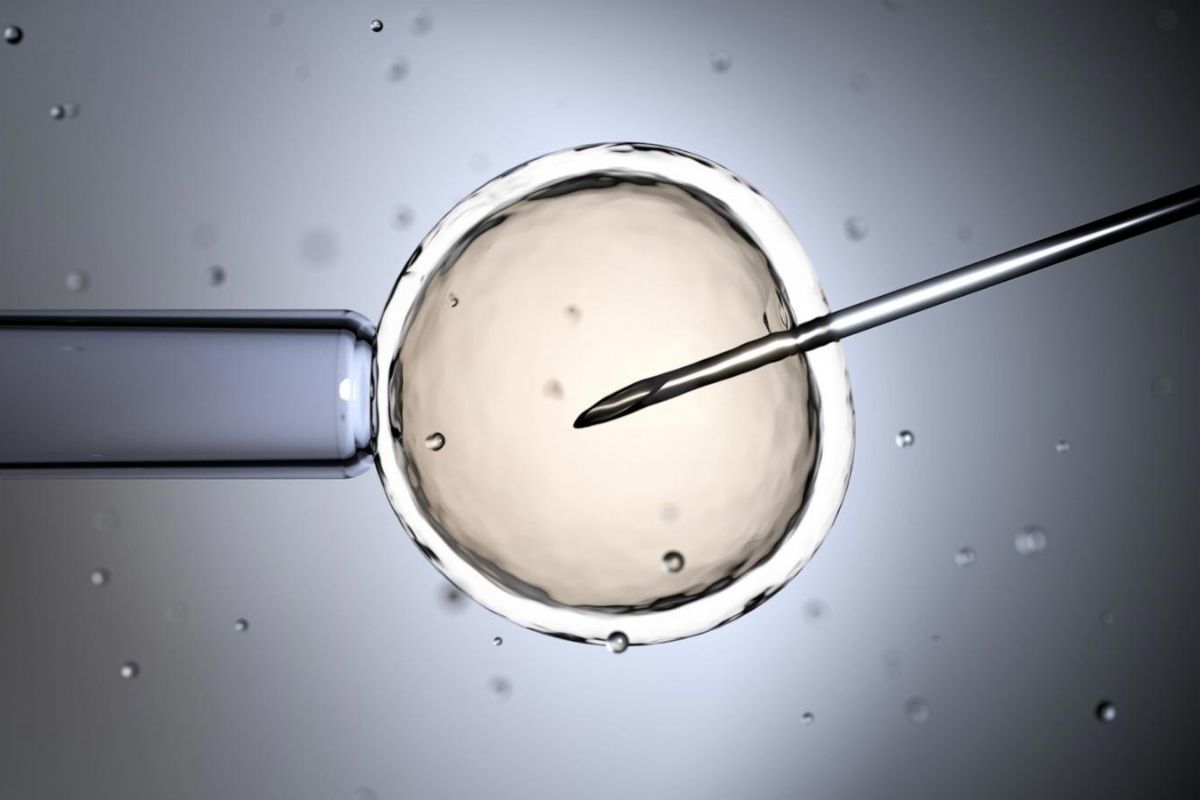
IVF (In-Vitro Fertilization) is an advanced fertility treatment where an egg and sperm are combined outside the body in a laboratory. Once fertilization occurs, the resulting embryo is placed in the uterus in the hope that it will implant and develop into a pregnancy.
IVF is commonly recommended for couples dealing with:
- Blocked or damaged fallopian tubes
- Low sperm count or sperm quality issues
- Ovulation disorders
- Endometriosis
- Unexplained infertility
- Age-related fertility decline
Hormonal Changes After Failed IVF
One of the most important parts of understanding What Happens to Your Body After Failed IVF is recognizing the hormonal shift that happens immediately after a negative pregnancy result.
During IVF, your body is placed in a carefully controlled hormonal environment. Fertility medications significantly increase estrogen levels to grow multiple follicles. After embryo transfer, progesterone is given to support the uterine lining and mimic early pregnancy conditions. For nearly two weeks, your body behaves as if pregnancy might occur.
When implantation does not happen, and progesterone support is stopped, hormone levels fall quickly. This sudden drop is called hormonal withdrawal, and it is the main reason behind most physical and emotional symptoms after a failed cycle.
Menstrual Changes After Failed IVF
One of the first physical signs after a failed IVF cycle is menstruation.
Most women get their period:
- Within 3 to 7 days after stopping progesterone
- Around 10 to 14 days after embryo transfer
The first period after IVF may feel different from your usual cycle.
You may notice:
- Heavier bleeding
- Darker blood
- Clots
- Stronger cramps
- Slight changes in cycle length
This happens because the uterine lining was thickened by hormonal stimulation. Although the first cycle may be heavier, most women return to their normal pattern within one or two months.
Emotional and Psychological Effects
The emotional impact of IVF failure can be just as significant as the physical changes. Women often experience:
- Deep sadness
- Crying spells
- Frustration
- Anxiety
- Sleep disturbances
- Feelings of guilt or self-blame
It is important to understand that these reactions are normal. IVF involves hope, effort, financial commitment, and emotional energy. Feeling grief after failure is natural. Emotional recovery does not follow a fixed timeline. Some women feel better within weeks, while others need more time.
Does Failed IVF Cause Long-Term Damage?
One of the biggest fears women have is whether a failed IVF cycle permanently harms their bodies. In most cases, failed IVF does NOT:
- Damage the ovaries
- Harm the uterus
- Reduce future fertility potential
Why IVF Cycles Fail
A failed IVF cycle can feel deeply discouraging, especially after weeks of treatment, hope, and anticipation. However, it is important to understand that IVF failure is more common than many people realize — and it does not mean something is permanently wrong.
IVF success depends on multiple biological factors working perfectly together. Even when everything appears normal, implantation may still not occur. Some of the most common reasons IVF cycles fail include:
1. Embryo Quality and Chromosomal Issues
One of the most common reasons IVF cycles fail is poor embryo quality. Even if an embryo looks healthy under a microscope, it may have chromosomal abnormalities that prevent proper development. These genetic issues can stop implantation or cause very early pregnancy loss. Age-related decline in egg quality also increases the chances of chromosomal problems.
2. Implantation Problems
Successful IVF depends on the embryo attaching to the uterine lining at the right time. If the lining is not thick enough or not receptive, implantation may not occur. Timing between embryo development and uterine readiness is extremely delicate. Even small variations can affect the outcome.
3. Hormonal Imbalance
Hormones play a critical role in preparing and maintaining the uterine environment. If progesterone or estrogen levels are not optimal, the uterus may not fully support implantation. Minor hormonal fluctuations can sometimes interfere with embryo attachment and early development.
4. Sperm and Unexplained Factors
Male fertility factors, such as poor sperm quality or DNA fragmentation, can also affect embryo development. In some cases, immune or biological factors that are difficult to detect may contribute to failure. Sometimes, despite thorough testing, no clear cause is found, which can be frustrating but is not uncommon.
How Long Does Recovery Take?
Recovery after a failed IVF cycle involves both physical and emotional healing.
Physical Recovery
Most physical symptoms improve relatively quickly:
- Hormonal stabilization usually begins within a few days after stopping progesterone
- Menstruation typically occurs within a week
- Ovarian swelling reduces within one to two weeks
- Normal menstrual cycles usually return within one to two months
Emotional Recovery
Emotional recovery can take longer and varies from person to person. Some women feel ready to move forward within weeks, while others may need several months.
You may experience:
- Grief
- Disappointment
- Anxiety about future attempts
- Fear of repeated failure
These feelings are valid. IVF is not just a medical process — it carries emotional weight. Allow yourself space to process the experience. Seeking counseling, talking openly with your partner, and practicing stress-management techniques can support healing.
When Can You Try Again?
After a failed IVF cycle, one of the first questions couples ask is when they can try again. The answer depends on both physical recovery and emotional readiness.
In most cases, doctors recommend waiting for at least one natural menstrual cycle before beginning another IVF attempt. This waiting period allows:
- Hormone levels to stabilize
- Ovaries to return to normal size
- The uterine lining needs to be reset
- Emotional healing to begin
Final Thoughts
Understanding What Happens to Your Body After Failed IVF can reduce fear during a vulnerable time. Most physical symptoms are temporary and caused by hormonal shifts. Your body is naturally designed to reset and recover.
A failed cycle does not mean your body is damaged or incapable of pregnancy. With proper medical guidance from Fertility Point, emotional support, and personalized care, many couples move forward successfully.
FAQ's
What Happens to Your Body After Failed IVF?
Your hormone levels drop, your period starts, and you may experience cramps, fatigue, mood swings, and breast tenderness. These symptoms are temporary and part of your body’s reset process.
Is it normal to feel depressed after IVF failure?
Yes. Hormonal withdrawal combined with emotional disappointment can cause sadness and anxiety. Emotional support is very important.
How heavy is the first period after failed IVF?
It may be heavier than usual because the uterine lining was thicker due to fertility medications.
Does failed IVF damage the ovaries?
In most cases, no. Ovaries return to normal size within a few weeks.