IVF in Kenya: How to Choose the Best IVF Centre and Doctors Safely
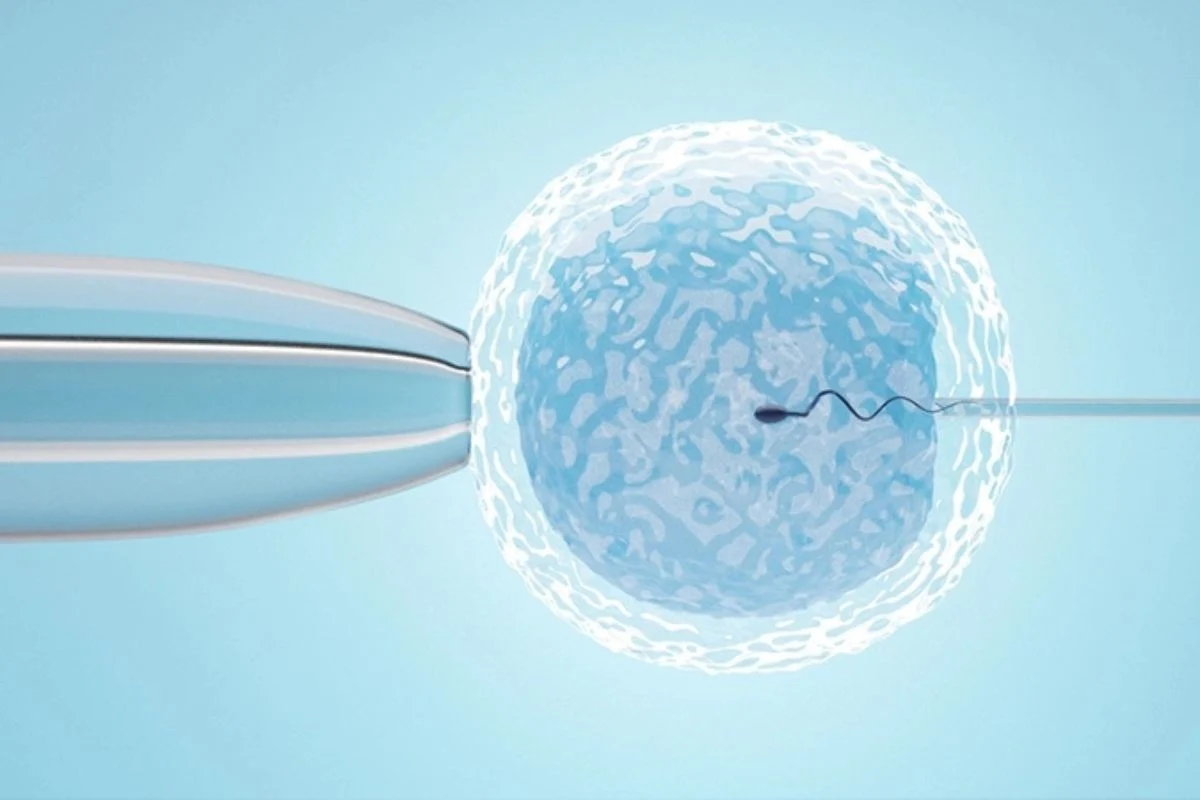
Hearing the words “it might be hard for you to conceive” can feel like the ground just moved under your feet. Many couples in Kenya and abroad reach this point after months or years of trying, and then begin to look at IVF in Kenya with a mix of hope and fear. Hope, because modern medicine offers real chances. Fear, because choosing the wrong clinic or team can cost time, money, and emotional strength.
The World Health Organization defines infertility as “a disease of the reproductive system defined by the failure to achieve a clinical pregnancy after 12 months or more of regular unprotected sexual intercourse.”
Picking an IVF centre is not like choosing a regular hospital visit. It is closer to choosing the team that will help bring a child into your life. Kenya now has some of the best IVF clinics, with advanced laboratories, experienced specialists, and treatment outcomes that match many centers abroad. The difference between an average clinic and a truly top center can show up in small details that most people do not see, such as lab air quality, how embryos are watched, or how closely doctors review each case.
Real success in IVF treatment does not depend on one factor alone. It comes from a mix of world-class technology, skilled doctors, strict quality systems, honest success rates, and kind, personal care. In this guide, the focus is on what separates an excellent IVF centre from the rest, how to judge doctors, what treatments should be offered under one roof, what IVF success rates really mean, and how much an IVF cycle is likely to cost.
By the end, it will be clearer how to compare clinics, what questions to ask, and why Fertility Point Kenya stands out for many local and international patients as a trusted partner on the path to parenthood.
What Makes an IVF Centre Truly Exceptional?

Many clinics say they offer the best infertility treatment, but not all centers are built the same. A truly high-level IVF clinic is more than a nice waiting room or friendly receptionist. It is a place where medical science, careful systems, and human kindness work together every single day.
As many reproductive specialists say, “The quality of the IVF lab matters just as much as the doctor you meet in the consultation room.”
The heart of any IVF centre is its laboratory. Eggs, sperm, and embryos are very sensitive to temperature, air quality, and handling. A world-class clinic invests heavily in the lab environment, uses strict procedures, and updates equipment regularly. Time-lapse incubators, high-grade air filters, and advanced microscopes help give embryos the safest possible start.
Another key sign of an excellent centre is the range of services available in one place. The best clinics do not only offer basic IVF. They also provide ICSI, IUI, PGT, egg and sperm freezing, donor programs, and fertility surgery, so treatment can be adjusted based on how the case develops. This makes it possible to design a plan that matches each couple instead of forcing everyone into the same path.
Patient support also matters. Fertility treatment is stressful and can feel lonely. Top clinics provide counseling, clear explanations, and realistic expectations. They discuss IVF success rate in Kenya in a transparent way, explain how age and diagnosis change the numbers, and avoid grand promises. A good centre invites questions about success rates and is ready to share detailed data rather than only a single big number on a brochure.
In short, a strong IVF centre will usually offer:
-
A modern, carefully controlled IVF laboratory
-
A wide range of fertility treatments under one roof
-
Clear, kind communication and ongoing emotional support
At Fertility Point Kenya, for example, this mix of advanced lab, full range of services, and kind, science-based care comes together with a reported success rate of about 65 percent in suitable cases. When comparing options, this type of complete picture is more important than one detail alone.
Advanced Laboratory Technologies That Matter
Inside the IVF lab, small differences can change outcomes in a big way. One of the most important tools in modern IVF in Kenya is the time-lapse incubator. Instead of removing embryos from the incubator to check them under a microscope, this system takes tiny images all day and night while the embryos stay undisturbed in a stable environment.
These images let embryologists watch how each embryo divides and grows. Patterns in this early development help them choose the embryo with the best chance of implanting. At the same time, the embryo is not exposed to changes in temperature or air, which keeps it safer.
Strict control of air quality, temperature, and humidity in the lab also plays a major role. Precise standard operating procedures guide every step, from how samples are labeled to how equipment is cleaned. Fertility Point Kenya uses a state-of-the-art laboratory with time-lapse incubators and clear protocols, which helps their team select stronger embryos and aim for higher success rates while keeping safety at the center.
Quality Certifications and Standards
Technology alone is not enough without strong quality systems to support it. Certifications such as ISO 9001 show that a clinic follows structured quality management, with regular checks, document control, and ongoing review of how work is done. In fertility care, this kind of system helps keep mistakes rare and processes steady over time.
Leading IVF labs in Kenya follow international protocols on how to handle eggs, sperm, and embryos, how to track samples, and how to maintain equipment. Internal audits, staff training, and ongoing monitoring of results all add another layer of safety.
Patients should also look for transparency. A trustworthy clinic is open about its methods, shares clear informed consent forms, and follows ethical rules on donor use, embryo freezing, and number of embryos transferred. Fertility Point Kenya places strong focus on written procedures and quality checks in its lab, which supports safe care and steady outcomes cycle after cycle.
The Doctors Who Make the Difference: Evaluating Medical Expertise
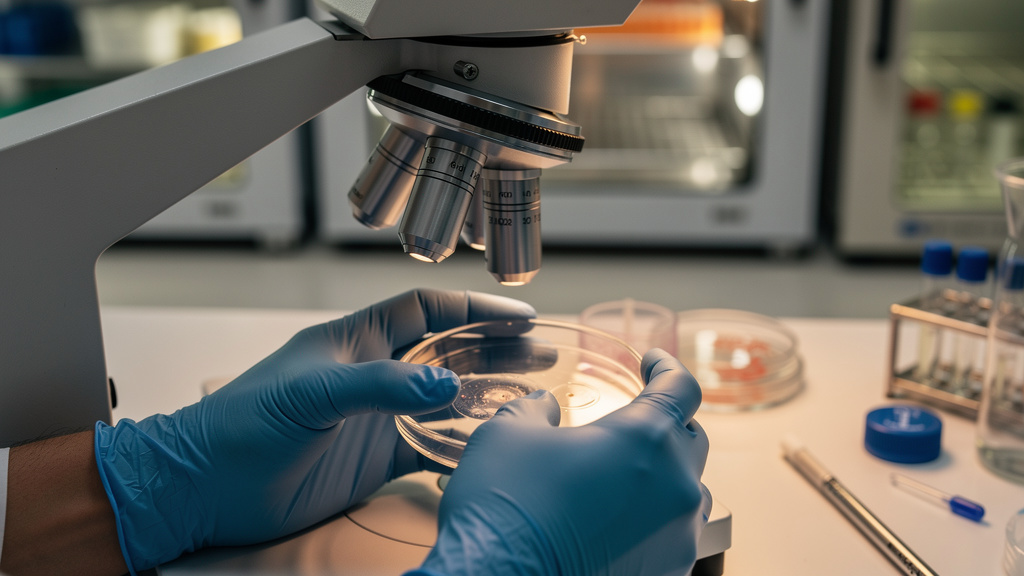
Even the best machines cannot replace a wise and caring doctor. When comparing centers for IVF treatment in Kenya, the clinical team often makes the biggest difference in how care feels and how well it works. The right doctor listens, explains, and then uses deep experience to guide each step.
A strong IVF team starts with specialists in obstetrics and gynecology who have advanced training in reproductive medicine. Years of practice, high case numbers, and exposure to many different scenarios mean they have already managed problems that might now appear in a new patient. Experience in endoscopic surgery also helps, because sometimes treating fibroids, endometriosis, or blocked tubes with surgery can improve fertility before or alongside IVF.
The best IVF clinics in Kenya also build a team around the lead doctor. Embryologists, nurses, anesthetists, counselors, and support staff work as one unit. When this team shares information well and follows the same plan, patients feel held and guided rather than lost in a system.
When evaluating clinics, it helps to ask who will personally manage the case, how often that doctor is in the clinic, and whether there is backup if they travel. At Fertility Point Kenya, patients meet named consultants rather than a new face at each visit, which builds trust and allows for more precise, personalized decisions over time.
What Qualifications Should Your IVF Doctor Have?
When looking for the best IVF clinic in Nairobi or any other city, the letters after a doctor’s name matter. A solid foundation begins with MBBS and an MD in Obstetrics and Gynecology. On top of that, specialized training in reproductive medicine, such as fellowships in reproductive medicine, shows that the doctor has spent extra years focused on fertility care rather than general practice.
Key qualifications and experience to look for include:
-
Core medical training: MBBS and MD in Obstetrics and Gynecology
-
Subspecialty training: Fellowships in reproductive medicine and infertility
-
Surgical skills: Training in gynecological endoscopic (keyhole) surgery
-
International exposure: Courses or certifications from respected bodies in Europe, the UK, India, or other regions
-
Case volume: A history of managing hundreds or thousands of IVF cycles
-
Ongoing education: Regular participation in conferences and updates in fertility medicine
Additional qualifications in gynecological endoscopic surgery give the doctor skill in keyhole procedures that can improve fertility, such as removing fibroids or treating endometriosis. International certifications and training courses add more depth, as they expose the doctor to global standards and complex cases.
Case volume is another clear sign of expertise. A doctor who has managed thousands of IVF cycles has seen what works, what fails, and how to adjust protocols safely. Dr. Rajesh at Fertility Point Kenya is a strong example. He holds MBBS, MD (OBGYN, Gold Medallist), FGMIS, FRM, and FMF-UK certification, has more than ten years in IVF, and has handled over 5,000 IVF cases. Alongside him, Dr. Eglay Nyakoa and Dr. Ayalew are dedicated fertility consultants who bring advanced medical skill together with warm, compassionate care for every patient.
The Importance of Specialized Experience
Not all fertility cases are simple. Many couples considering IVF in Kenya face issues such as severe male factor infertility, repeated miscarriages, or pregnancies at advanced maternal age. In these situations, specialized experience can change the outcome.
Conditions that often need extra experience include:
-
Severe male factor infertility requiring ICSI or surgical sperm retrieval
-
Recurrent miscarriage or repeated failed IVF cycles
-
Advanced maternal age with low ovarian reserve
-
Endometriosis, fibroids, or uterine abnormalities
-
Genetic concerns that call for PGT
Doctors who manage complex male factor cases often work closely with embryologists on ICSI, surgical sperm retrieval, and advanced sperm selection. For women with recurrent miscarriage, they must understand how to combine IVF with PGT to reduce the risk of passing on chromosomal problems. For older women, they must design stimulation plans that protect egg quality while still aiming for enough eggs.
Surgeons skilled in laparoscopy and hysteroscopy can treat polyps, fibroids, and adhesions that stop embryos from implanting well. Doctors who have cared for both Kenyan and international patients gain insight into many body types, medical histories, and cultural needs. At centers like Fertility Point Kenya, this wide experience allows the team to adjust treatment plans instead of following a fixed template for everyone.
Comprehensive Treatment Options: Beyond Basic IVF

A strong IVF centre does not push every couple straight into one standard procedure. Instead, it offers a full menu of fertility treatments under one roof and chooses the right mix based on testing and history. When a clinic offers many methods, it shows depth of skill and flexibility in care.
Advanced IVF techniques are part of this picture. ICSI (Intracytoplasmic Sperm Injection) helps in cases of low sperm count, poor motility, or past failed fertilization. IMSI goes even further with high-magnification sperm selection, which can help in very severe male factor cases. These tools widen the number of couples who can benefit from IVF treatment in Kenya.
Fertility preservation is another sign of a high-level centre. Egg vitrification lets women freeze eggs while they are younger, for medical or personal reasons. Embryo freezing allows couples to save extra high-quality embryos from a fresh cycle for later use. Sperm freezing protects fertility for men before cancer treatment or for those who may be away for long periods. Good clinics use modern vitrification methods so frozen eggs and embryos have a high chance of surviving the thaw.
Male infertility services should include surgical sperm retrieval methods such as PESA and TESA. These procedures collect sperm directly from the epididymis or testicle when there is little or no sperm in the semen. The sperm can then be used with ICSI to create embryos.
A complete centre also offers PGT (preimplantation genetic testing) to check embryos for chromosomal or single-gene problems, donor egg and donor sperm programs, and embryo donation for chosen cases. Assisted hatching and blastocyst culture give embryologists more ways to support implantation. Less invasive options such as IUI are important too, especially for mild cases or as a step before IVF.
Surgical treatments, including laparoscopy and hysteroscopy, help address fibroids, endometriosis, and uterine issues that block pregnancy. Fertility Point Kenya provides this full spectrum of care, from basic evaluations to advanced IVF, genetic testing, donor programs, and fertility-preserving surgery, so that each patient can receive the plan that makes the most sense for their situation.
Understanding IVF Success Rates in Kenya

When reading about IVF success rate in Kenya, it can be easy to get lost in numbers and claims. Some clinics display a single big percentage without any details. While success rates are important, they need careful reading to be useful.
Different clinics may report different types of rates:
-
Pregnancy rate per embryo transfer – how often a pregnancy test is positive after a transfer
-
Live birth rate per cycle started – how many cycles end with a baby born
The second number is often lower but gives a more complete picture. Good clinics are clear about which measure they are using.
As many fertility experts explain, “Success rates only make sense when you know the age group, diagnosis, and treatment type behind the numbers.”
Age and diagnosis affect success more than any other factor. A healthy woman under 35 with tubal blockage but good eggs usually has much higher chances than a age affects IVF success with low ovarian reserve, even at the same clinic. This is why it is better to ask for age-stratified data. Reputable centers in Kenya often show pregnancy rates in the range of about 65 to 79 percent for certain younger age groups and specific treatment types.
Fertility Point Kenya reports about a 65 percent success rate in suitable cases, supported by advanced lab technology like time-lapse incubators and an experienced team. Still, no centre can promise pregnancy every time. Personal health, sperm and egg quality, embryo genetics, and uterine factors all play a role. Patients should see clinic success rates as an important guide, not a guarantee, and discuss their own chances based on age and diagnosis rather than on website averages alone.
The IVF Process at Leading Kenyan Clinics
Understanding the IVF process step by step can reduce fear and help with planning. At top clinics, the path follows clear stages, with personal support at each point.
-
First consultation and fertility workup
Both partners meet a fertility specialist, share medical history, and go through tests such as hormone blood work, ultrasound to check ovaries and uterus, and semen analysis. Based on these results, the doctor recommends the best approach, which might be IVF vs IUI, surgery, or a mix. -
Ovarian stimulation and monitoring
Next comes ovarian stimulation for the woman. Daily injections of fertility hormones help the ovaries grow several eggs instead of just one. During this phase, there are regular blood tests and ultrasounds. These visits check how many follicles are growing and how thick the uterine lining is. When the follicles are ready, a final injection prepares the eggs for collection. -
Egg retrieval procedure
Egg retrieval takes place about 34 to 36 hours later. It is a short procedure done under light anesthesia or sedation. The doctor uses a thin needle guided by ultrasound to collect eggs from each follicle. Most women go home the same day and can return to regular work within one or two days, while avoiding heavy exercise for a short time. -
Fertilization and embryo culture
In the lab, the eggs are mixed with prepared sperm for standard IVF or ICSI. Embryos then grow in incubators for three to six days. At centers such as Fertility Point Kenya, time-lapse incubators watch each embryo closely without taking it out of the incubator, which helps in choosing the strongest embryo for transfer. -
Embryo transfer and the two-week wait
Embryo transfer is a gentle procedure that usually needs no anesthesia. The selected embryo is placed into the uterus through a thin catheter. After transfer, the woman prepare for IVF the uterine lining. About two weeks later, a blood test checks for pregnancy. Throughout this whole process, Fertility Point Kenya focuses on clear communication, emotional support, and careful medical follow-up so patients feel guided, not rushed.
Cost Considerations and Financial Planning for IVF in Kenya
For many couples, the cost of IVF is one of the biggest worries. A standard cycle of IVF in Kenya at a reputable clinic usually ranges between 500,000 and 600,000 Kenyan Shillings (KSH). This is a significant amount, so it helps to understand what that fee covers and what may come on top.
A base IVF package often includes consultations with the fertility specialist, ultrasound and blood tests during stimulation, the egg retrieval procedure with anesthesia, sperm preparation, fertilization in the lab, embryo culture, and one fresh embryo transfer. Medication may be included or billed separately, depending on the clinic.
Extra procedures can add to the cost, such as:
-
ICSI for male factor infertility
-
PGT for genetic testing of embryos
-
Embryo freezing and storage
-
Donor eggs or donor sperm
-
PESA or TESA for surgical sperm retrieval
-
Frozen embryo transfer cycles in future attempts
A simple breakdown might look like this:
|
Cost Item |
What It Commonly Covers |
Notes |
|---|---|---|
|
Standard IVF Cycle |
Consultations, monitoring, retrieval, lab work, transfer |
Medication and anesthesia may be inside or outside this fee |
|
Add-ons |
ICSI, PGT, embryo freezing, sperm retrieval |
Charged per service |
|
Future Frozen Embryo Transfer |
Thawing and transfer of stored embryos |
Usually lower than a full fresh cycle |
Compared to treatment in the UK, US, or Europe, IVF treatment in Kenya is often far more affordable, even after adding travel costs for international patients. Fertility Point Kenya offers flexible payment plans that spread costs over time, which helps many couples move forward. Some insurance schemes, such as Minet Kenya for teachers, now include IVF benefits, so it is wise to review health cover carefully and ask clinics for a clear written cost estimate before starting.
A practical tip fertility counselors often share is: “Ask for a written, itemized quote before you begin, so money stress does not add to the emotional load of treatment.”
Why International Patients Choose Kenya for IVF Treatment
More and more international patients now look to Kenya when they search online for the best place for IVF. There are several reasons why IVF in Kenya appeals to international patients who need high-quality care without very high Western prices.
Cost is a major factor. A single IVF cycle in the UK or US can cost several times more than in Nairobi, especially once medications and add-ons are included. For some couples who have already had failed cycles at home, Kenya offers a chance to continue treatment without emptying their savings.
Quality of care is another reason. Leading centers in Kenya use the same advanced technologies found in respected clinics abroad, such as time-lapse incubators, PGT, and modern vitrification. Many Kenyan fertility specialists trained or worked overseas and now bring that knowledge back home. Waiting lists are short or non-existent, so patients can plan treatment windows that fit their work and family life.
Top clinics also understand the special needs of visitors from other countries. Fertility Point Kenya supports international patients with online consultations before travel, help with scheduling visits, and clear guidance on how to coordinate early monitoring with local doctors in the home country. Treatment plans can be arranged so that most scans and blood tests are done at home, with travel to Kenya at key points such as egg retrieval and embryo transfer. This mix of cost savings, strong medical care, and kind support makes Kenya an appealing choice for many couples worldwide.
Red Flags to Avoid When Choosing an IVF Centre
While many clinics provide good care, some warning signs should make any patient think twice before signing up. Being aware of these red flags can protect both health and finances.
Key warning signs include:
-
Promises of 100 percent success or guarantees of pregnancy in a single cycle
-
Vague or shifting costs, with hidden fees appearing late in treatment
-
Unclear doctor qualifications or reluctance to share names and credentials
-
Little information about the lab, equipment, or quality controls
-
Pressure tactics, such as rushing consent forms or focusing more on payment than on questions
One major concern is any clinic that promises a 100 percent why IVF fails or guarantees pregnancy in a single cycle. No honest specialist can make such claims, because biology always carries some uncertainty. A second warning is poor transparency about costs, such as vague estimates, refusal to give a written quote, or many hidden fees that appear late in treatment.
Other red flags include unclear doctor qualifications, very limited information about the lab, or old equipment with no mention of upgrades or advanced tools. A clinic that pushes patients into quick decisions, seems more focused on payments than questions, or rushes through consent forms is also a bad sign.
Good clinics welcome second opinions, are open about their IVF success rate in Kenya, and encourage patients to take time before deciding. Verifying doctor credentials online, asking about certifications, and reading independent reviews can help avoid centers that do not meet high standards.
As many fertility counselors remind couples, “You are not being difficult by asking questions; you are protecting your health and your future family.”
Making Your Decision: Questions to Ask Before Choosing an IVF Centre
Once a shortlist of clinics is ready, the next step is to ask clear, practical questions. This makes it easier to compare centers that offer IVF in Kenya and find the one that best fits personal needs.
Helpful questions include:
-
About the doctor and team
-
Who will be my main fertility specialist?
-
How many IVF cycles do you handle each year?
-
How many years have you worked in reproductive medicine?
-
Who will perform egg retrieval and embryo transfer?
-
-
About the laboratory
-
What type of incubators do you use?
-
Do you have time-lapse incubation systems?
-
What quality management systems guide daily lab work?
-
How do you track and safeguard eggs, sperm, and embryos?
-
-
About success rates
-
What are your age-based success rates?
-
Do you track live birth rates as well as pregnancy rates?
-
How recent is your data?
-
-
About costs and support
-
What is included in the base IVF price?
-
Which add-ons cost extra, and how much are they?
-
Do you offer payment plans?
-
Is counseling or emotional support available?
-
What is the plan if the first cycle does not succeed?
-
Clinics like Fertility Point Kenya are happy to answer these questions, which helps patients feel informed and ready to choose.
Conclusion
Choosing an IVF centre is one of the most important decisions many couples will ever make. The best choice brings together several elements at once, including advanced laboratory technology, skilled and caring doctors, a full range of fertility treatments, honest success data, and steady emotional support. Kenya now offers centers that match international standards while keeping care more affordable than in many Western countries.
When comparing options for IVF in Kenya, it helps to look beyond glossy brochures to the details that really matter. Modern tools such as time-lapse incubators, careful quality systems, and strict lab protocols give embryos the safest start. Experienced specialists like Dr. Rajesh, with more than 5,000 IVF cases, along with Dr. Eglay Nyakoa and Dr. Ayalew, add deep medical insight and the human warmth that carries patients through both good news and hard days.
Fertility Point Kenya brings these strengths together with flexible payment plans and welcoming support for both local and international patients. While no clinic can promise a baby for every couple, choosing a center with strong science and kind hearts gives the best possible chance. For anyone ready to move forward, booking a detailed consultation and asking the right questions is a powerful first step toward holding a child of their own.
FAQ's
What Qualifications Should I Look For in an IVF Doctor?
A strong IVF doctor usually has an MBBS degree followed by an MD in Obstetrics and Gynecology, plus extra training focused on reproductive medicine. Fellowships in reproductive medicine and gynecological endoscopic surgery show deeper focus on fertility care rather than general gynecology. It helps if the doctor has managed thousands of IVF cycles, as this builds judgment and skill in handling many types of cases. International courses and certifications also add value. Fertility Point Kenya’s Dr. Rajesh, for example, holds MBBS, MD (Gold Medallist), FGMIS, FRM, FMF-UK and has handled more than 5,000 IVF cases.
How Do I Interpret IVF Success Rates When Comparing Clinics?
When reviewing IVF success rate in Kenya or anywhere else, it is important to look at the details, not just one big number. Ask each clinic for age-based success rates, because a 30-year-old and a 42-year-old do not have the same chances. Check whether the rate is pregnancy per embryo transfer or live births per cycle started, since these are different measures. It also helps to ask how data is collected and over what time period. Most of all, remember that personal factors such as age, diagnosis, and embryo quality will affect individual results more than clinic averages.
What Is the Typical Cost of IVF Treatment in Kenya?
For most reputable centers, a standard cycle of IVF treatment in Kenya costs between 500,000 and 600,000 KSH. This usually covers consultations, monitoring scans, egg retrieval, lab fertilization, and one fresh embryo transfer. Extra services such as ICSI, PGT, embryo freezing and storage, or donor programs are billed on top. Medication costs vary based on how the ovaries respond, so they can change from person to person. Fertility Point Kenya helps by offering flexible payment plans, and some insurance providers, like Minet Kenya, now include partial IVF cover.
How Long Does an IVF Cycle Take From Start to Finish?
Once medications begin, a typical IVF cycle takes around four to six weeks until the pregnancy test. Ovarian stimulation with injections often lasts eight to fourteen days, followed by egg retrieval. Fertilization and embryo culture in the lab take three to six days, after which the embryo transfer happens. Then there is about a two-week wait for the pregnancy blood test. Initial consultations and diagnostic tests usually happen before this timeline, but most patients can continue normal work activities during much of the process.