How to Treat Hormonal Imbalance for Better Health and Fertility
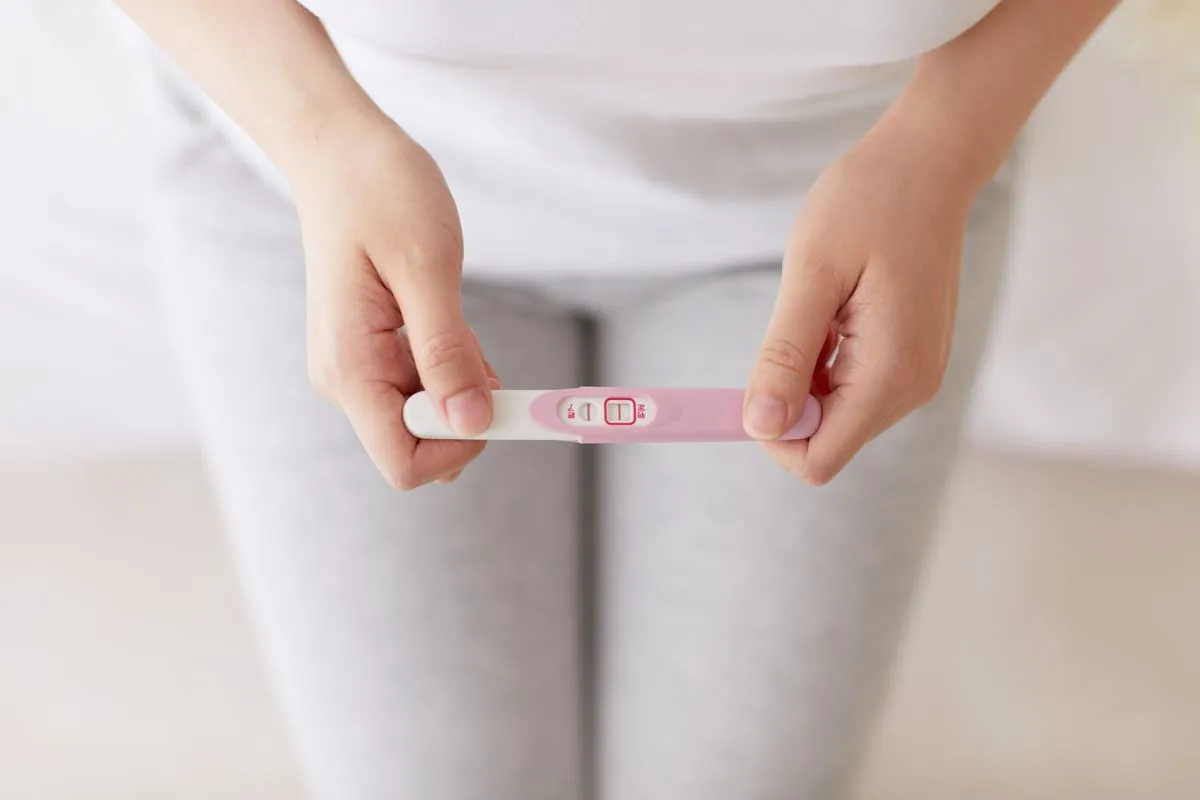
The calendar shows another month gone, and the pregnancy test is negative again. Periods have become irregular, sleep is poor, and the scale keeps creeping up, even though daily habits have barely changed. It can feel as if the body is no longer following the rules it used to know.
For many people, these changes come with a quiet worry. Maybe the doctor said “just stress,” or friends brushed it off as getting older. Yet there is a strong sense that something more is going on. For a couple trying to conceive, these signs can be especially painful, and the words hormonal imbalance may sound both scary and confusing.
Hormonal imbalance is common in both women and men and can affect mood, weight, energy, and, very often, fertility. The good news is that it is not a dead end. With the right tests, clear information, medical care, and simple daily changes, many people restore balance, feel better, and go on to build their families.
This guide walks through key hormonal imbalance symptoms, how hormones affect fertility, what proper diagnosis looks like, and which treatments and lifestyle changes can help. Throughout, Fertility Point Kenya appears as a caring partner, offering comprehensive hormonal assessment and personalised fertility care so no one has to walk this path alone.
Understanding Hormonal Imbalance And Its Impact On Fertility

Hormones are tiny chemical messengers that carry big instructions. They help control metabolism, sleep, mood, growth, and, very importantly, reproduction. These messengers are made by glands in the endocrine system, including the ovaries or testes, thyroid, pituitary, and adrenal glands.
A hormonal imbalance happens when the body has too much or too little of one or more hormones. Some shifts are normal, such as during puberty, pregnancy, or perimenopause. Problems start when hormone levels stay out of range for a long time or swing wildly without a clear reason. That is when symptoms appear and fertility can suffer.
For reproduction, the body needs a careful dance between estrogen, progesterone, testosterone, FSH, LH, prolactin, and thyroid hormones. In women, these signals tell the ovaries when to mature and release an egg and help prepare the uterine lining. In men, hormones control sperm production and quality. When this balance is off, ovulation can stop, male infertility can fall, and conception becomes much harder. Treating hormonal imbalance is often one of the first and most important steps in any thoughtful fertility plan.
As one reproductive specialist explains, "When hormones fall out of balance, the whole reproductive system can start whispering that something is wrong long before lab tests are done."
Key Fertility Hormones At A Glance
|
Hormone |
Main Role In Fertility |
Possible Issues When Out Of Range |
|---|---|---|
|
Estrogen |
Builds uterine lining, supports cervical mucus |
Irregular bleeding, hot flashes, vaginal dryness |
|
Progesterone |
Stabilises uterine lining after ovulation |
Spotting, short luteal phase, early pregnancy loss |
|
FSH & LH |
Trigger follicle growth and ovulation |
Anovulation, irregular cycles |
|
Testosterone/Androgens |
Support libido and ovarian function (in small amounts) |
Acne, excess hair, scalp hair thinning, anovulatory cycles |
|
Thyroid Hormones |
Regulate metabolism and support ovulation |
Infertility, miscarriage, fatigue, weight changes |
|
Prolactin |
Supports milk production after birth |
Missed periods, infertility when elevated |
Recognizing The Signs: Common Symptoms Of Hormonal Imbalance

Hormonal imbalance can show up in many ways, and no two people have exactly the same mix of signs. Some notice clear changes in their periods or sexual health. Others feel constantly tired, anxious, or foggy. Many chalk these issues up to stress or a busy life, but when several symptoms appear together and keep coming back, it is time to diagnosing infertility.
Symptoms may come and go or slowly build over months or years. Watching for patterns, not just single bad days, helps a lot. Writing symptoms down in a small notebook or app can be very helpful when speaking with a doctor.
Reproductive And Menstrual Symptoms
For many women, changes in the menstrual cycle are the first clear sign of hormonal imbalance. Cycles may become irregular, skip for months, become very heavy, or turn very light. Some people struggle to predict when bleeding will start at all, which can be stressful.
Common reproductive and menstrual symptoms include:
-
Irregular, very heavy, or very light periods
-
Periods that stop for several months
-
Difficulty conceiving or very unpredictable ovulation
-
Low libido, vaginal dryness, or painful intercourse
-
Severe premenstrual symptoms such as intense mood swings, breast tenderness, or disabling cramps
These signs are often more than “normal PMS” and deserve medical attention, especially when pregnancy is a goal.
Physical And Appearance-Related Symptoms
Hormonal imbalance often affects how the body looks and feels from the outside. You might notice:
-
Weight gain around the abdomen, or unexplained weight loss
-
Persistent acne along the jawline or chin
-
New coarse hair on the face or chest
-
Thinning hair on the scalp or a receding hairline
-
Dry, itchy skin, brittle nails, or ongoing bloating
These shifts can be uncomfortable and may affect confidence, yet they also provide valuable clues about what is happening on the inside.
Mood, Energy, And Cognitive Symptoms
Hormones and the brain are deeply linked, so imbalance often affects mood and thinking. Common signs include:
-
Constant fatigue that does not improve with rest
-
Poor sleep, night sweats, or waking unrefreshed
-
Irritability, anxiety, low mood, or depression
-
Brain fog, trouble focusing, or short-term memory slips
-
Hot flashes, night sweats, or heart palpitations
When several of these mood, energy, and thinking symptoms appear together, especially with cycle or weight changes, it is a strong signal to speak with a healthcare provider.
Major Hormonal Conditions Affecting Fertility
Some hormonal imbalances are mild and short-lived; others are linked to clear medical conditions that strongly affect fertility. The reassuring news is that these conditions are well known, testable, and infertility in males be treated. With the right care, many women and men with hormonal imbalance go on to have healthy pregnancies.
Polycystic Ovary Syndrome (PCOS)
Polycystic Ovary Syndrome (PCOS) is one of the most common hormonal conditions in women of reproductive age. In PCOS, the ovaries do not release eggs regularly, and levels of male hormones called androgens are often higher than normal. On ultrasound, the ovaries may show many small follicles.
Common PCOS features include:
-
Irregular or absent periods
-
Unwanted facial or body hair and persistent acne
-
Weight gain that focuses around the midsection
-
Difficulty using insulin properly, raising the risk of type 2 diabetes
-
Problems with ovulation leading to anovulatory infertility
With the right mix of medication, lifestyle changes, and fertility treatment, many women with PCOS conceive and carry healthy pregnancies.
Thyroid Disorders (Hypothyroidism And Hyperthyroidism)
The thyroid is a small gland in the neck that acts like a control centre for metabolism. When it is underactive (hypothyroidism), people often feel tired, gain weight, feel cold easily, and have heavy or irregular periods. When it is overactive (hyperthyroidism), symptoms can include anxiety, weight loss, feeling too warm, and very light or missing periods.
Both underactive and overactive thyroid function can upset the hormone signals that trigger ovulation. In women, this can lead to irregular cycles and higher risk of miscarriage. In men, thyroid problems can affect most common infertility problem in males and quality. The positive side is that thyroid disorders are usually simple to detect with blood tests and often respond very well to medication.
Other Hormonal Imbalances
Beyond PCOS and thyroid disease, several other hormonal issues can disturb fertility. Examples include:
-
Estrogen dominance – estrogen is high compared with progesterone, which can lead to heavy periods, breast tenderness, fibroids, or endometriosis
-
Low estrogen – missed periods, hot flashes, and vaginal dryness
-
Low progesterone in the second half of the cycle – spotting before the period and early pregnancy loss because the uterine lining is not well supported
-
High prolactin – often due to a small pituitary growth or certain medicines; can shut down ovulation and stop periods
-
Long-term stress with high cortisol – which can interfere with thyroid and reproductive hormones
Pinpointing exactly which hormones are off is key to choosing the right treatment.
Getting Diagnosed: The Path To Understanding Your Hormonal Health
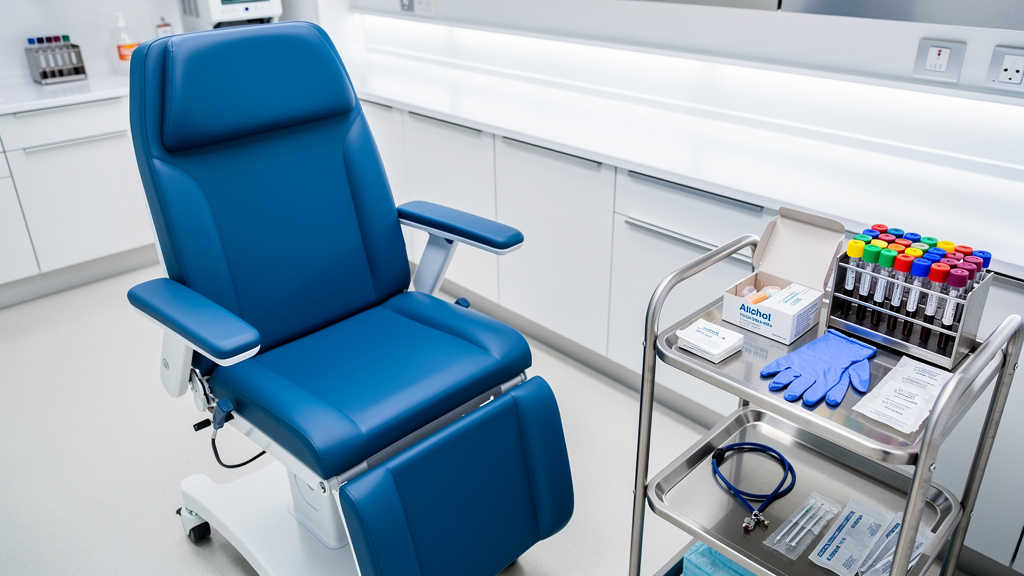
Facing possible hormonal imbalance can feel worrying, but the diagnostic process itself is usually simple and not painful. The aim is to gather enough information to see which hormones are out of range and why. From there, a clear plan can be made.
An accurate diagnosis is the base of any effective hormonal treatment. It prevents guessing, wasted time, and repeated disappointment for couples who are causes of infertility.
Initial Consultation And Medical History
The first step is a detailed talk with a doctor, gynaecologist, or fertility specialist. They will ask about:
-
Current symptoms and when they began
-
Menstrual patterns and any cycle tracking you have done
-
How long pregnancy has been delayed and any past pregnancies or miscarriages
-
Medical history, current medicines, and family history of thyroid disease, diabetes, early menopause, or PCOS
A physical exam may include checking blood pressure, weight, skin and hair growth patterns, and feeling the neck for thyroid changes. A pelvic exam can help assess the uterus and ovaries. At Fertility Point Kenya, this first visit is done in a calm, respectful way so people feel safe sharing even very personal concerns.
Hormone Profile Blood Tests
Blood tests are the main tools for diagnosing hormonal imbalance. They are usually taken at specific times in the cycle, because many hormones rise and fall across the month.
Common tests include:
-
FSH, LH, and estradiol – often checked around cycle day three to assess ovarian function
-
Progesterone – about a week after ovulation to confirm that ovulation occurred
-
Testosterone and DHEA-S
-
Prolactin
-
Thyroid markers such as TSH, free T3, and free T4
-
AMH to estimate ovarian reserve
-
Glucose and insulin to look for insulin resistance linked to PCOS
Most blood draws take only a few minutes, and results are usually ready within a few days, allowing the doctor to explain what is going on and discuss next steps.
Additional Diagnostic Tools
Alongside blood tests, other tools help build a full picture. A pelvic ultrasound lets the doctor see the ovaries, count resting follicles, and look for a polycystic pattern or fibroids. It also helps track follicle growth during treatment. In some cases, a glucose tolerance test checks how the body handles sugar, especially when PCOS is suspected.
Fertility Point Kenya offers all these assessments under one roof, which saves time and reduces stress. Having both partners evaluated in the same centre also makes it easier to plan a complete fertility strategy.
Many couples say that getting clear test results is the moment they move from confusion to a sense of direction.
Medical Treatments For Hormonal Imbalance
Once testing shows which hormones are out of range, treatment can begin. There is no single plan that fits everyone; care depends on which hormones are involved, symptom severity, age, and whether pregnancy is a current goal.
Medical treatments may include hormone replacement, medicines that adjust specific hormones, and sometimes minor surgical procedures. These are often combined with lifestyle changes for the best effect.
1. Fertility Point Kenya: Comprehensive Hormonal Assessment And Personalized Treatment
At Fertility Point Kenya, hormonal health is seen as the base of good fertility care. Every patient starts with thorough evaluation, including detailed hormone testing, cycle tracking, and ultrasound scans. This careful approach helps the team find hidden hormonal imbalances that may have been missed before.
Based on these findings, the clinic designs a treatment plan that fits each person’s hormonal profile and family plans. The specialists are experienced in handling complex hormone patterns linked to infertility and offer kind, steady support through each step of care. Hormonal optimisation is also woven into IVF and other assisted reproduction methods so that eggs, sperm, and the uterine lining are in the best possible state before treatment starts.
Hormone Replacement Therapy (HRT)
Hormone Replacement Therapy (HRT) is used when the body does not make enough hormones on its own, especially estrogen and progesterone. This can happen in menopause, premature ovarian insufficiency, or after some medical treatments. HRT can be given as tablets, skin patches, gels, or vaginal rings.
By replacing low hormones, HRT can improve hot flashes, night sweats, vaginal dryness, and irregular cycles. It also helps protect bone strength. Doctors monitor treatment closely, adjust doses when needed, and always weigh benefits and risks based on each person’s health history.
Medications For PCOS
PCOS treatment aims to regulate cycles, lower excess androgens, and overcoming female infertility. Depending on your goals, a doctor may suggest:
-
Hormonal contraceptives to make periods regular, control acne, and reduce unwanted hair for those not trying to conceive immediately
-
Metformin to help the body use insulin better, which may reduce androgen levels and restore more regular ovulation
-
Medicines such as spironolactone to block the effect of androgens on skin and hair (usually alongside other treatments and with reliable contraception)
Thyroid Medications
Thyroid imbalance is usually managed with daily tablets. In hypothyroidism, levothyroxine replaces the missing thyroid hormone, helping restore normal metabolism, improve energy, and support regular cycles and ovulation. In hyperthyroidism, drugs such as methimazole reduce how much hormone the thyroid makes. Regular blood tests guide dose changes so levels stay in a healthy range, especially before and during pregnancy.
Other Targeted Treatments
Several other medicines help correct specific hormonal problems. Dopamine agonists like cabergoline or bromocriptine lower high prolactin levels, which can restart ovulation and menstruation. Progesterone supplements may be given after ovulation or in early pregnancy to support the uterine lining, especially in women with a short luteal phase or past early losses.
For some women with PCOS who do not respond to ovulation medicines, a keyhole surgery called ovarian drilling may be considered. In this procedure, tiny punctures are made on the ovary’s surface to lower androgen production and encourage more regular ovulation for a period of time.
Good fertility care is rarely about one pill; it is about using the right tools, at the right time, for the right person.
Lifestyle Modifications And Natural Approaches To Support Hormonal Balance
Medicine is very helpful, but daily habits also have a strong effect on hormones. For mild symptoms, lifestyle changes alone may bring big relief. Even when medicines are needed, these steps can improve energy, mood, and treatment success.
Simple, steady changes to food, movement, sleep, and stress can act as gentle hormonal imbalance remedies that support the body as a whole.
Nutrition And Diet For Hormonal Health

Food gives the body the building blocks it needs to make and clear hormones. A balanced plate at each meal can help steady blood sugar, reduce inflammation, and support the gut, all of which matter for hormonal health. Aim for a mix of lean protein, complex carbohydrates, and healthy fats, instead of large portions of refined starch and sugar.
Helpful nutrition tips include:
-
Eating plenty of fibre from vegetables, fruits, beans, and whole grains to support gut health and help the body process extra estrogen
-
Including probiotic foods such as yogurt, kefir, and fermented vegetables to support a healthy gut microbiome
-
Limiting sugary drinks, sweets, and highly processed snacks to reduce insulin spikes, especially important for PCOS
-
Getting enough B vitamins, magnesium, zinc, vitamin D, and omega?3 fats through food or supplements guided by a professional
A nutritionist can help create a simple plan that fits local foods and budget.
Exercise, Sleep, And Stress Management
Movement, rest, and stress levels all send signals to the hormonal system. Regular, moderate exercise such as brisk walking, swimming, or light strength training can improve insulin sensitivity, support weight management, and lower stress hormones. Extremely intense workouts every day, especially without enough food and rest, can backfire and shut down ovulation, so balance is key.
Good sleep is another powerful tool. Most adults need seven to nine hours each night. Going to bed and waking at similar times, keeping the bedroom dark and cool, and turning off screens at least an hour before bed help the body produce melatonin and reset daily rhythms.
Chronic stress keeps cortisol high, which can disturb thyroid and reproductive hormones. Simple practices like deep breathing, short guided meditations, yoga, prayer, or quiet time outdoors can calm the nervous system. Learning to set limits, say no when needed, and protect personal time may feel hard at first but often leads to better hormonal balance and overall well-being.
As many patients discover, "Small daily habits often do more for hormonal balance than one dramatic change every few months."
Conclusion
Hormonal imbalance is common, but that does not make it easy to live with. It can change periods, mood, energy, skin, weight, and, very painfully, the ability to conceive. These changes are not “all in the head,” and they are not hopeless. With careful testing and thoughtful care, most hormonal issues can be managed very well.
Effective treatment usually combines female infertility what it is with everyday changes in food, movement, sleep, and stress. When hormones begin to settle back into balance, many people feel more like themselves again and see real progress toward their fertility goals.
For couples in Kenya and across the region, Fertility Point Kenya offers high-quality, affordable fertility care that always starts with a full look at hormonal health. Their team walks alongside patients from the first assessment through treatment, IVF treatment if needed, and beyond. Reaching out for a comprehensive hormonal evaluation can be the first strong step toward better health and, for many, the long-awaited positive pregnancy test. No one has to face hormonal imbalance or fertility struggles alone.
FAQ's
Can Hormonal Imbalance Be Cured Permanently?
In many cases, hormonal imbalance can be brought under good control, even if it cannot be “cured” forever. Conditions like thyroid disease often stay stable with permanent infertility in females medication and monitoring. PCOS usually needs ongoing lifestyle care and, at times, medicines, but symptoms can improve a lot.
Pregnancy-related hormonal changes usually settle after delivery and breastfeeding. The main goal is to reach a state where hormones are stable, symptoms are mild or gone, and daily life and fertility are back on track.
How Long Does It Take To Treat Hormonal Imbalance?
The timeline depends on the cause, how long symptoms have been present, and which treatments are used. Thyroid medicines may bring clear improvements in four to six weeks, though fine?tuning can take longer. For PCOS, it may take three to six months for cycles to regulate and for acne or extra hair to improve.
Lifestyle changes such as diet and exercise often need several months of steady effort before big shifts appear. Working closely with a healthcare provider and going for follow-up tests helps track progress and adjust the plan when needed.
Can I Get Pregnant With Hormonal Imbalance?
Yes, many people with hormonal imbalance go on to have healthy pregnancies. The key is to find out which hormones are off and address them early. Treatment may involve medicines to stimulate ovulation, correct thyroid levels, lower prolactin, or improve insulin sensitivity, along with lifestyle changes.
If pregnancy does not happen naturally after these steps, fertility treatments such as ovulation induction, intrauterine insemination, or IVF can help. Fertility Point Kenya specialises in finding and treating hormonal barriers to conception and has helped many couples build their families.
What Foods Should I Avoid With Hormonal Imbalance?
It is helpful to limit foods that spike blood sugar or add to body-wide inflammation, such as:
-
Sugary drinks, sweets, white bread, and pastries
-
Highly processed packaged snacks
-
Fried and very oily fast foods
-
Excess alcohol and high caffeine intake
These can stress the body, worsen insulin resistance, disturb sleep, and affect cortisol and estrogen metabolism. People with estrogen dominance are often advised not to rely heavily on large amounts of soy products. Focusing on whole, fresh foods most of the time supports more stable hormones.